Category: Phil Anderson

  • The Square Foot Exhibit

    August 5 – 21, 2011
    TWIST GALLERY
    1100 Queen St. West

    Phil Anderson asked a few questions of the coming up show from AWOL Member and one of the shows organizers  Nurit Basin.

    Anderson: What are the origins of the show? How did it come about and whose idea was it?

    Basin: Before the Square Foot show, we ( AWOL. Gallery & Collective ) would curate and hold themed group shows in warehouses where we would invite between 25 to 40 artists for each show. We usually held these exhibitions some time in the late fall. As much as we loved putting these shows together, we had a difficult time recovering the costs that went into such big productions. In the summer of 2003 we re-grouped and were brainstorming on how we can still invite a lot of artists to show but in a smaller space such as in our gallery at AWOL. Ross Bonfanti one of the AWOL co-founders and co-directors came up with the idea to restrict the size to a square foot. This way we can invite many artists and still be able to fit all the work in a more confined space. He suggested the square foot size because at the time he was working for a faux-finishing company where everything was charged by the square foot. We first invited artists we knew and then put an open call for submissions. To our surprise we ended up having over 150 artists respond to the call.

    Anderson: How has the show grown over the years and what, if any, problems came about with the growth?

    Basin: The show grew in size, one year I believe it was in 2008 we had over 900 artists and over 2000 pieces of artwork. I think the biggest challenge was communicating with so many artists regarding deadlines of dropping off the artwork, making sure all the artwork is accounted for during the show, and the pick-up of the artwork. At the end of each show we learn new things on how to improve the logistics and apply them to the following year.

    Anderson: What do think is the attraction for the public to go to Square Foot?

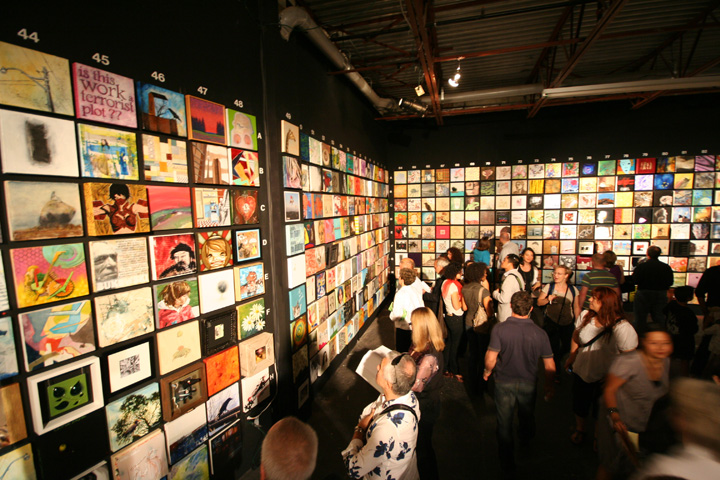
    Basin: A couple of things such as the number of artists that take part in the show and the number and variety of works that are exhibited in one room. Once all the artwork in hung it actually starts to look like one big art piece which is the installation itself.
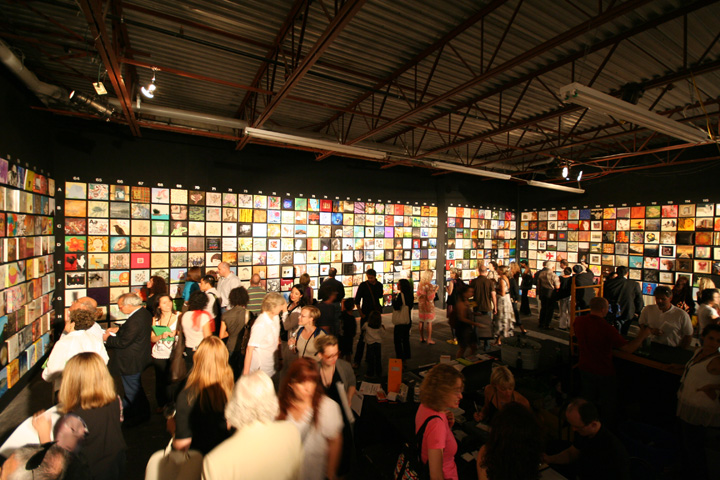
    It also evolved into a community event where the show not only brought a lot of different artists into one space but it also brought a lot of patrons who continue to come see the show every year and follow certain artists as well as discover new ones. We even have buyers who buy pieces to add to their own square foot collections they started at home.

    Anderson: It has moved location a few times. Where will it be this year? How long does it take to install the show?

    Basin: This year for the first time it will be held at Twist Gallery, located at 1100 Queen Street West just west of Dovercourt. It usually takes about 3 days to install and a day to verify the locations of the pieces in the database.

    Anderson: Is there any particular memorable moment from a past show that sticks in your mind?

    Basin: I think every year the memorable moments are always the line-ups we get during the artist’s opening receptions. We just can’t believe how many people are in line to see an art show.

    Anderson: What is the show this year  looking like?

    Basin: In terms of artwork, we’re not sure yet because the drop off is in a couple of weeks.

    Anderson: How many artists do you anticipate participating? Have there been many applications?

    Basin: Yes. We have over 600 artists registered to participate this year so far. So probably it will be in the range of 550-600 artists.

    Anderson: Has there ever been a predominant theme noticeable in submissions?

    Basin: Every year it varies, one year we had a lot of cat paintings, another year we had pears, last year or the year before it was the year of the portrait. It varies and that’s the exciting part as well to see what the artists are collectively and unconsciously working on.

    Anderson: How do you see the show evolving in the next few years?

    Basin: Other then moving locations, I think over time it evolves with the type of artwork we receive. It feels like we’ve seen everything, but every year we are still surprised and amazed at some of the work we get. Artists are always challenging themselves to see how their piece can stand out from the rest.
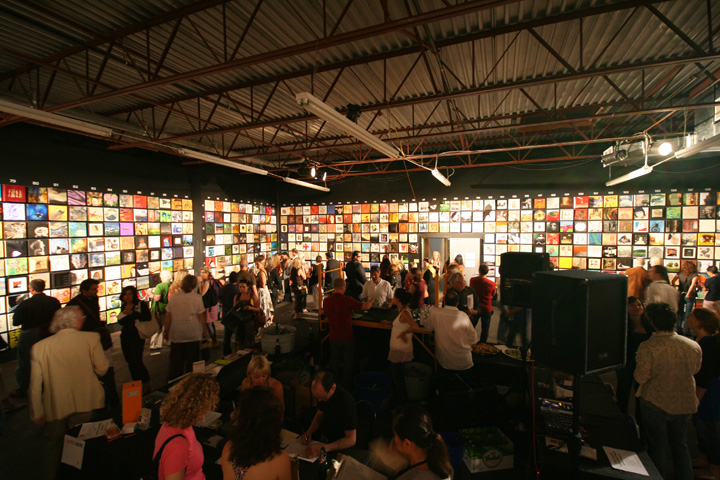
    Note: All works are 12 x 12 inches and sell for $225 .
    50% of the sale goes to the artist and 50% goes to AWOL Gallery
    Friday  August 5 is the Preview Gala Tickets are $20
    Saturday August 6  is the public reception
    Free- line ups are expected

  • Through The Lens. A Photographic Journey with Vincenzo Pietropaolo

    By Phil Anderson

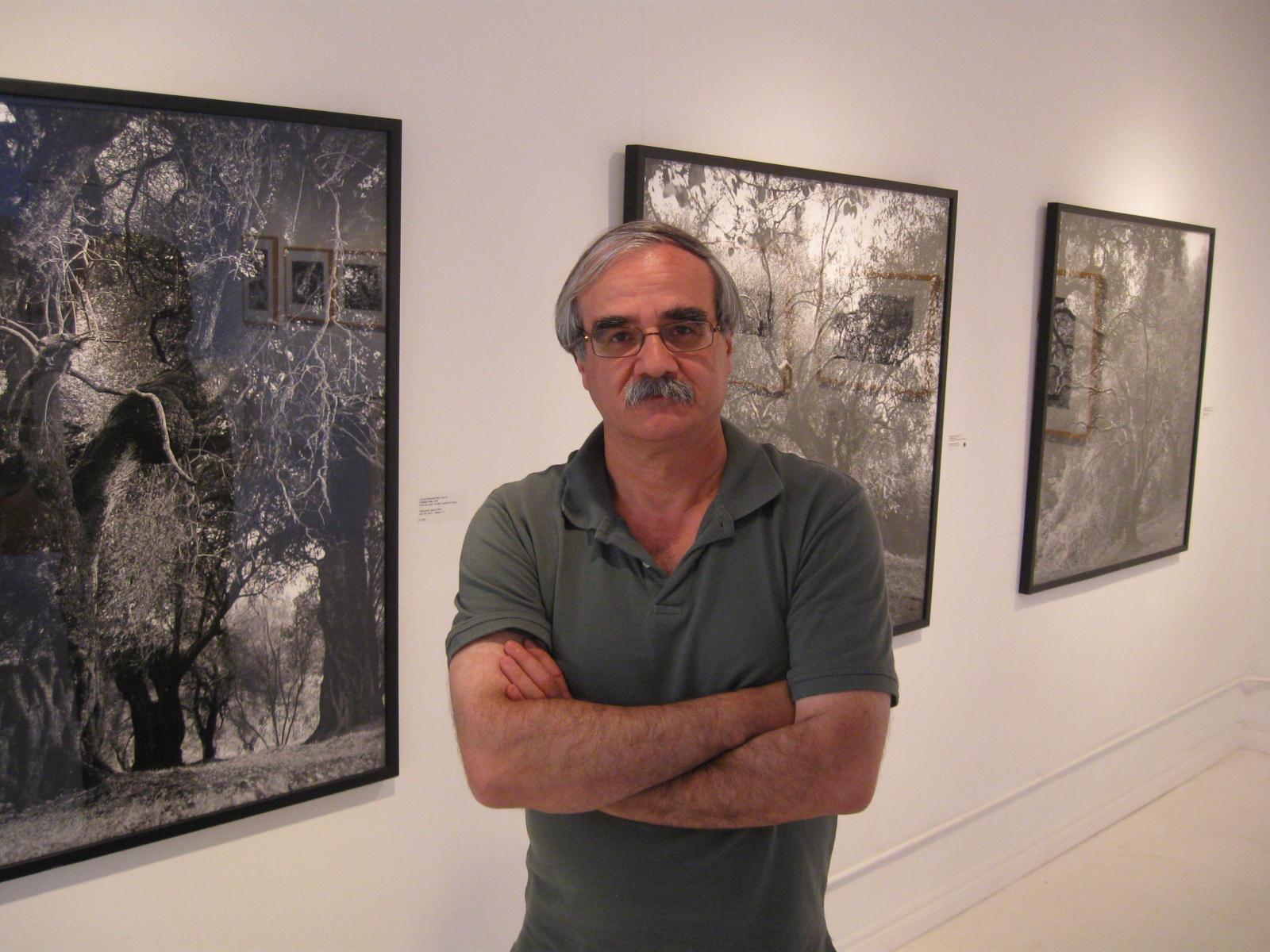
     Vincenzo Pietropaolo. Photo:Phil Anderson

     Upon meeting with documentary photographer , Vincenzo Pietropaolo at Toronto‘s De Luca Fine Art/Gallery, on Queen St. West, he explained of how he captured images of the Italian community as a young boy, an immigrant child. The camera allowed him access to another world. As a young man he played pool in a then local pool hall which is now part of a trendier world for visitors to the neighbourhood.

        His art practice has evolved into many photographic series and eight photographic books such as Celebration of Resistance (1999), Harvest Pilgrims (2OO9), Making Home in Havana (2OO2) and Not Paved With Gold(2OO6) as well many writings and essays.

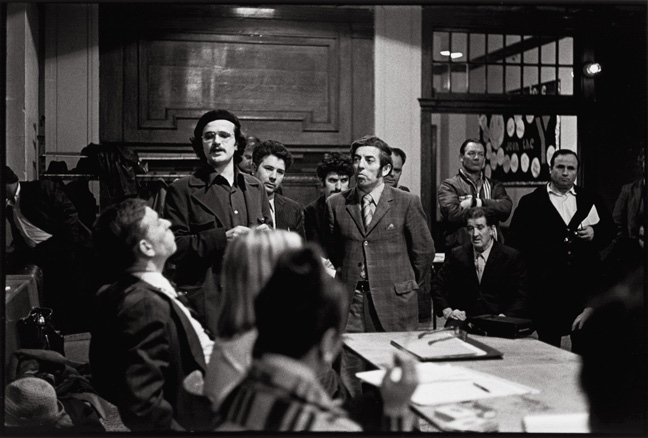
               Commmunity meeting with government officials  from Not Paved with Gold: Italian-Canadian immigrants in the 1970′ ©Vincenzo Pietropaolo

    Photographs from the Not Paved with Gold series, explained Pietropaolo, exemplified the disillusion many new Italian immigrants felt arriving in Canada expecting more opportunities than existed.

           Pietropaolo‘s latest book,

    Invisible No More (2O1O)

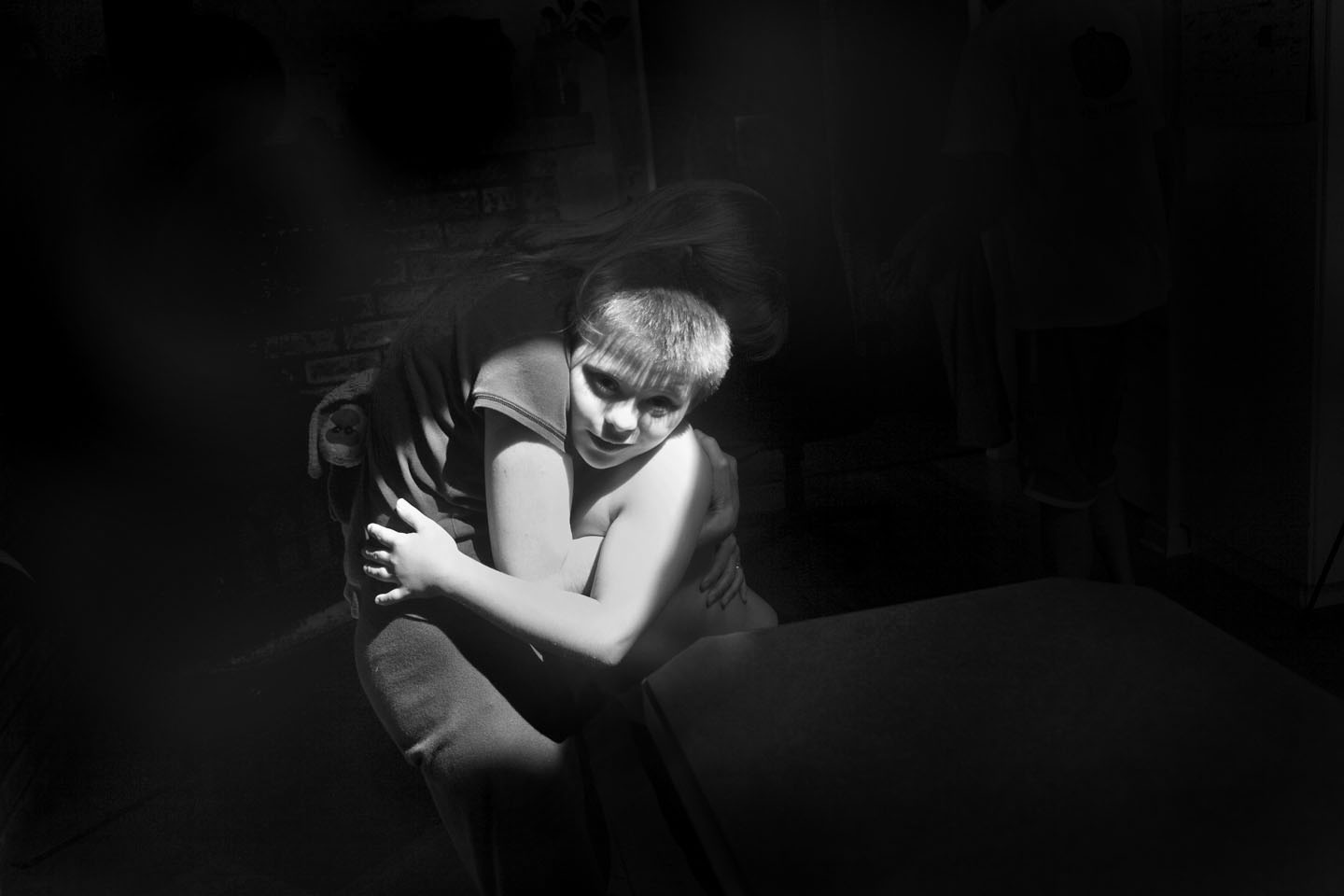
    , is an exploration into the lives of Canadians with intellectual disabilities and their families. Like most of his photographic work it has a social commentary that gives us all a better understanding of his subject matter and tells a poignant story with pictures. All Pietropaolo‘s portraits are engaging and immerse the viewer into the world of the subject. Pietropaolo successfully takes the viewer with him into these new worlds.

     “David in his mother’s arms”,  from the book Invisible No More: A  Photographic Chronicle of the Lives of People with Intellectual Disabilties. ©Vincenzo Pietropaolo

         Pietropaolo’s exhibit at De Luca Gallery (June 3 – July 2) was just coming to an end and it had encapsulated much of his early work from the 1970‘s documenting, the Toronto Italian community, immigrant farm and factory workers in Toronto and workers from across Canada. One of his most memorable experiences as a photographer was documenting workers across Canada as part of a commissioned project by the Canadian Auto Workers. He was allowed access to over 100 factories and workplaces across the country. When asked how workers felt about being photographed he said most were elated and asked what they should do. He asked them to just go about their work as usual. Some of the workplaces also thought, “why didn’t we think of creating a book commemorating our workers”, explained Pietropaolo.

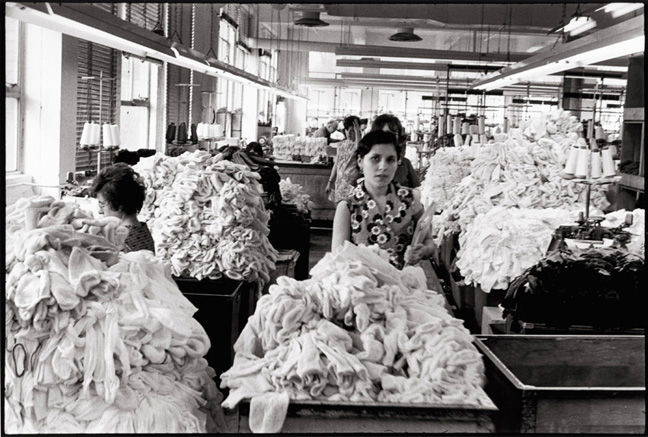
    Workers in a sock factory in Toronto’s garment district. From Not Paved with Gold: Italian-Canadian Immigrants in the 1970s ©Vincenzo Pietropaolo
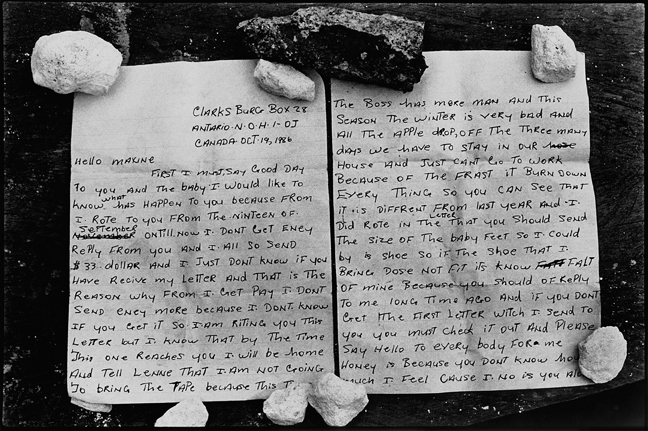
     He said while today we talk about eating “local“ produce consumers don’t realize how many farms use migrant workers that leave their families for 3-6months of the year in order to support them. One photographic image in the exhibition captures this misery well. It is a letter written to a family in Jamaica from an migrant worker in Ontario.

              Tony Peart’s letter to his wife, from Harvest Pilgrims: Mexican and Caribbean Migrant Farm Workers in Canada. ©Vincenzo Pietropaolo
     All of the works in the De Luca Fine Art/Gallery exhibit were black and white silver gelatin prints. Pietropaolo has embraced digital photography as most professional photographers have partly because of the demands of the profession. A little of the old magic has disappeared with the new technology but it has new advantages.

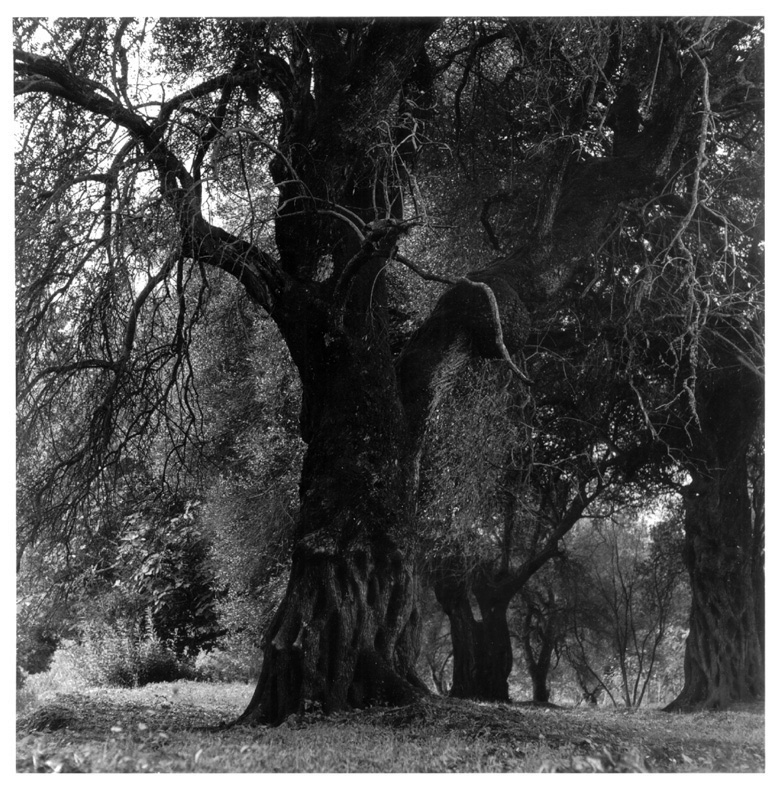
     Ancient Monolith (olive tree #1), Calabria, Italy, 1979. ©Vincenzo Pietropaolo
    Pietropaolo is also in a current exhibition as part of the Venice Biennale – Padiglione Italia the 54 th International Art Exhibition In Honour of the 150th Anniversary of the Unification of Italy curated by Vittorio Sgarbi at the Istituto Italiano Di Cultura  (June 6 – November 27, 2011). The exhibition includes artist Tony Calzetta and mixed media artist, Francesca Vivenza as well as Vincenzo Pietropaolo. One can look forward to seeing more works by Pietropaolo and getting a further glimpse into the world as he captures it with images.
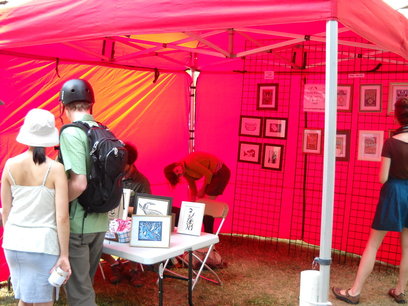
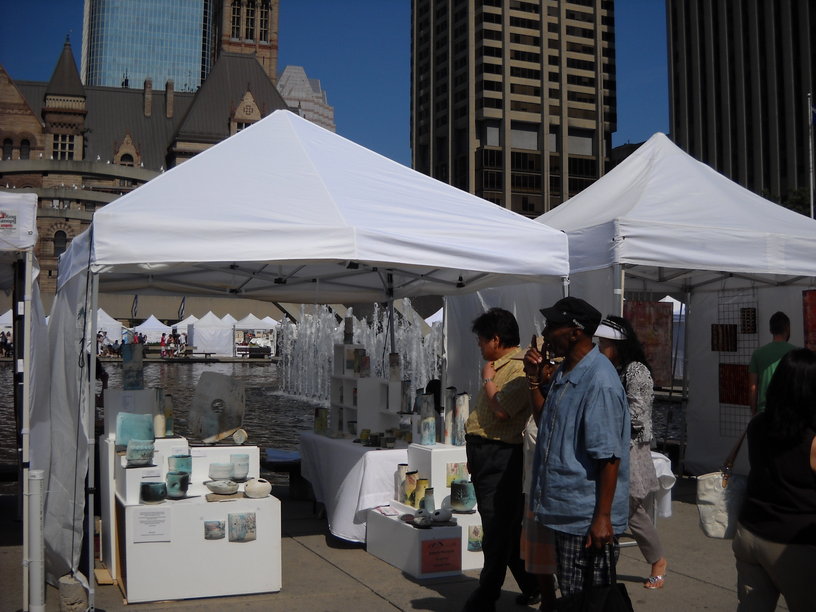
  • 50th TORONTO OUTDOOR ART EXHIBITION

    Photo: Imre Hajagos

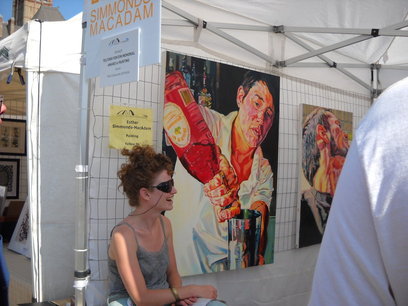
    Artist, Esther Simmond-Mac Adam winner of the Telford Penton Memorial Award in Painting Photo: Emese Krunak-Hajagos

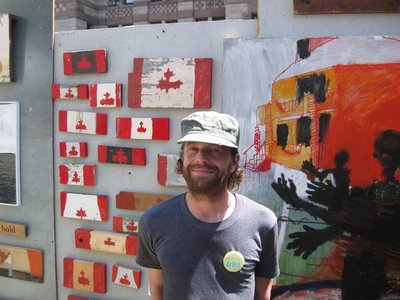
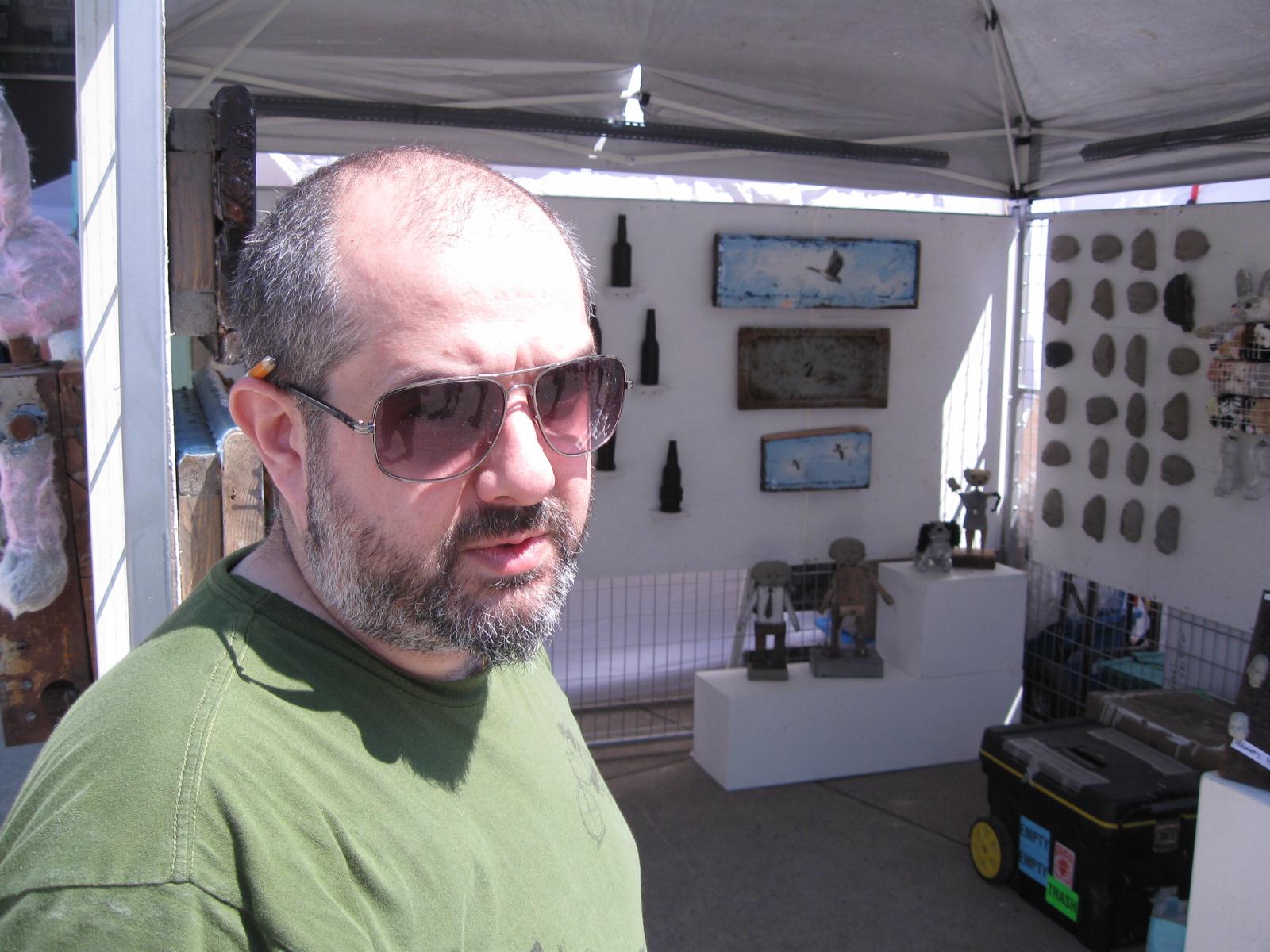
    Artist, Clint Griffin Photo: Phil Anderson

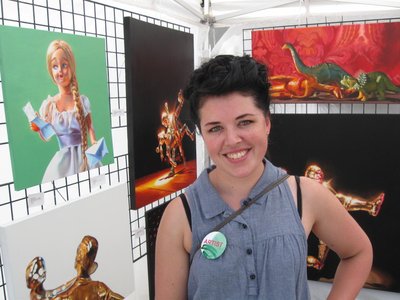
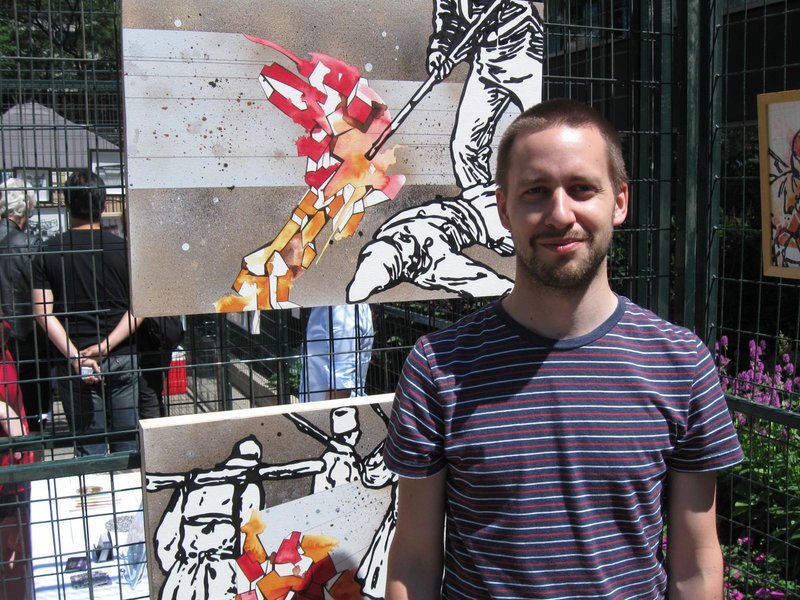
    Artist, Amy Shackleton. Photo: Phil Anderson

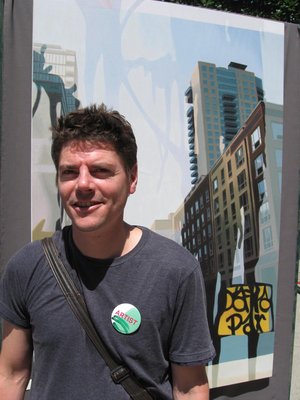
    Artist, James Nye. Photo: Phil Anderson

    Artist Jane Duncan. Photo: Phil Anderson

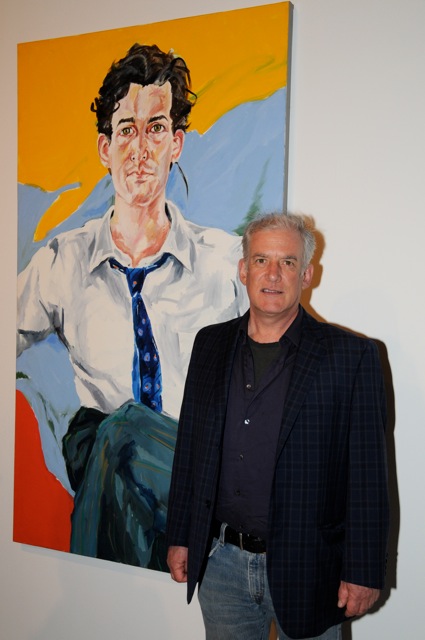
    Artist, Ross Bonfanti, Honourable Mention in sculpture. Photo: Phil Anderson

    Artist Igor Sinitar. Photo: Phil Anderson

    Artist, Elva Hook. Photo: Phil Anderson

    Artist, Jean-Sebastien Massicotte-Rousseau, Quebec. Photo: Phil Anderson

    Lila Karim, executice director of TOAE. Photo: Phil Anderson

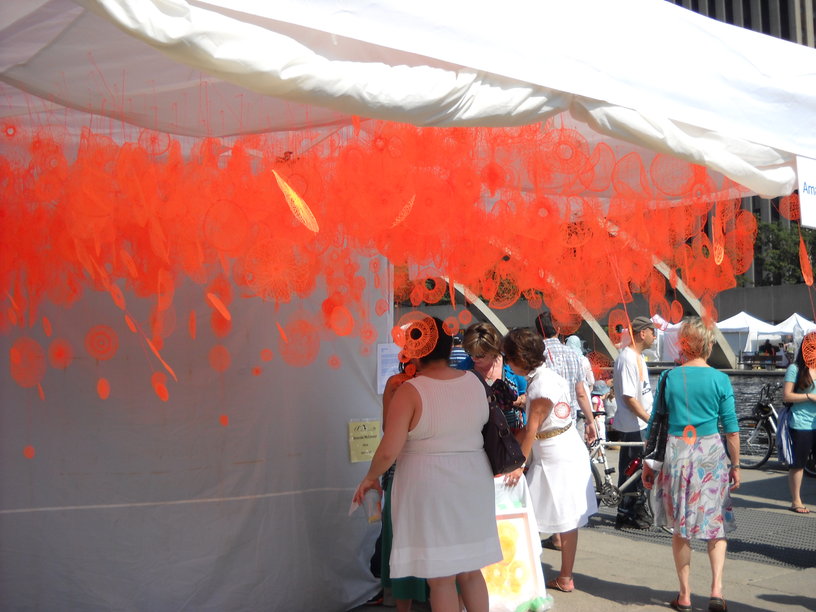
    Fibre Art winner Amanda McCavour’s site. Photo: Emese Krunak Hajagos

    Mike Parson’s site. Photo: Imre Hajagos

    Lex Buchanen’s display Photo: Imre Hajagos

    Photo: Emese Krunak-Hajagos

    Photo: Imre Hajagos

    Photo: Imre Hajagos

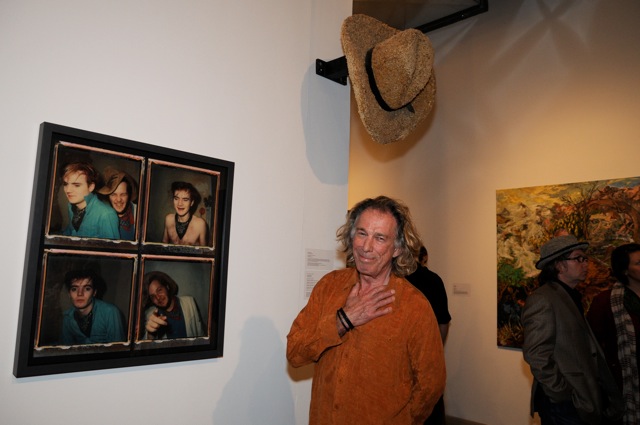
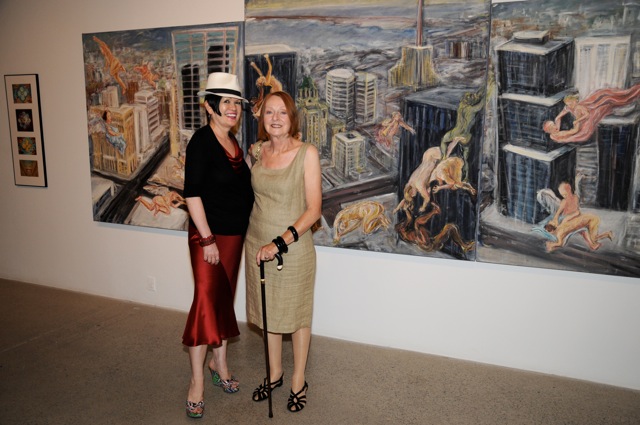
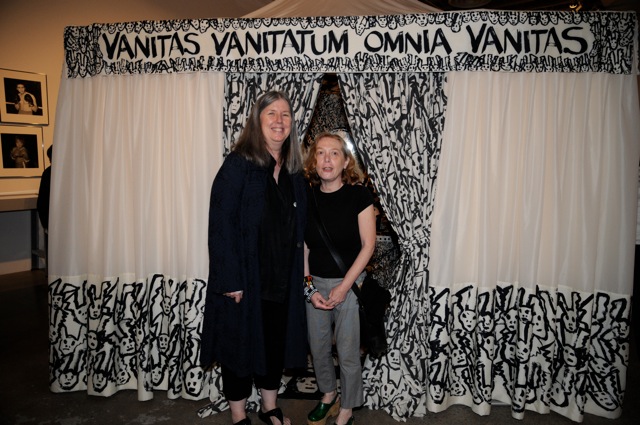
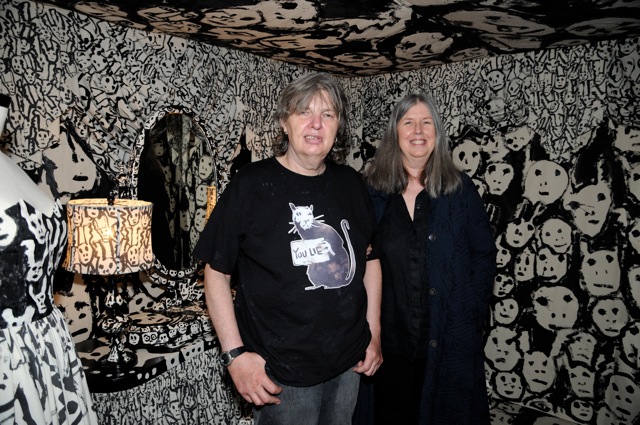
  • This is Paradise / Place as state of mind:The Cameron Public House and 1980s Toronto

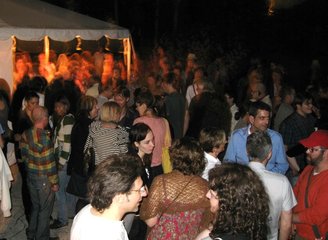
    The crowd. Photo:Phil Anderson

    Curator Rae Johnson and Curator Cameron house co-owner Herb Tookey. Photo:Biserka Livaja

    Coalmine Canary, Napoleon Brousseau and Mike  Hansen. Photo:Biserka Livaja

    c0-curator and Cameron House co-owner Herb Tookey and photographer Biserka Livaja. Photo:Erella Gagnon

    Brian Video Photo: Biserka Livaja

    Lana lowon, Sandy Stagg Photo: Biserka Livaja

    Elinor Rose Galbraith and Amy Wilson. Photo: Biserka Livaja

    John Scott and Elinor Rose Galbraith.  Photo: Biserka Livaja

    Oliver Girling Photo:Biserka Livaja

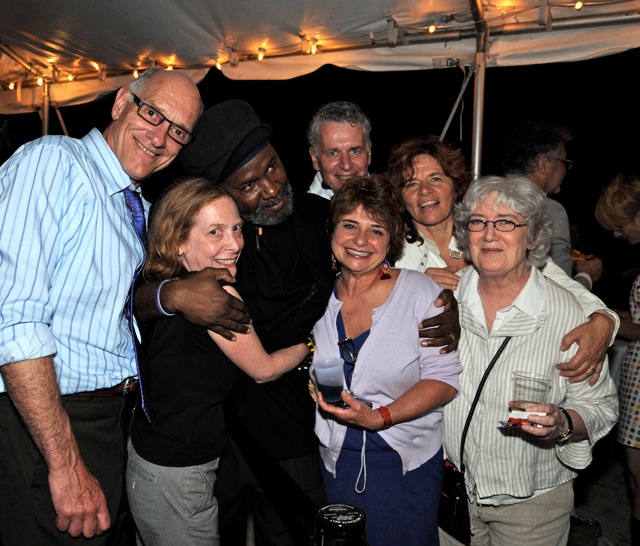
    Mojah and friends. Photo: Biserka Livaja

    Keith Holding, Erella Baubella Photo: Biserka Livaja

    Photo: Biserka Livaja

    Andrew James Paterson and John Scott Photo: Phil Anderson

    Kim and Donna Lipchuk. Photo: Phil Anderson

    Marion Lewis and Charles Pachter. Photo:Biserka Livaja

    George Whiteside. Photo: Biserka Livaja

    Evan Pennyand Helen Choi. Photo: Phil Anderson

    Rae Johnson, Bruno Billio, Brian Burnett and friend. Photo: Phil Anderson