September 14- October 23, 2011
Blackwood Gallery
University of Toronto Mississauga
The University of Toronto at Mississauga is proudly home to the spectacular Art & Art History Program alongside Sheridan Collage. This program administers a unique and stimulating approach to the study of art and design, emphasizing studio practice as well as theoretical and art historical knowledge. Founded in 1971 with only four students under it’s banner, this year marks the 4oth anniversary of this diverse, accomplished, and successful program!
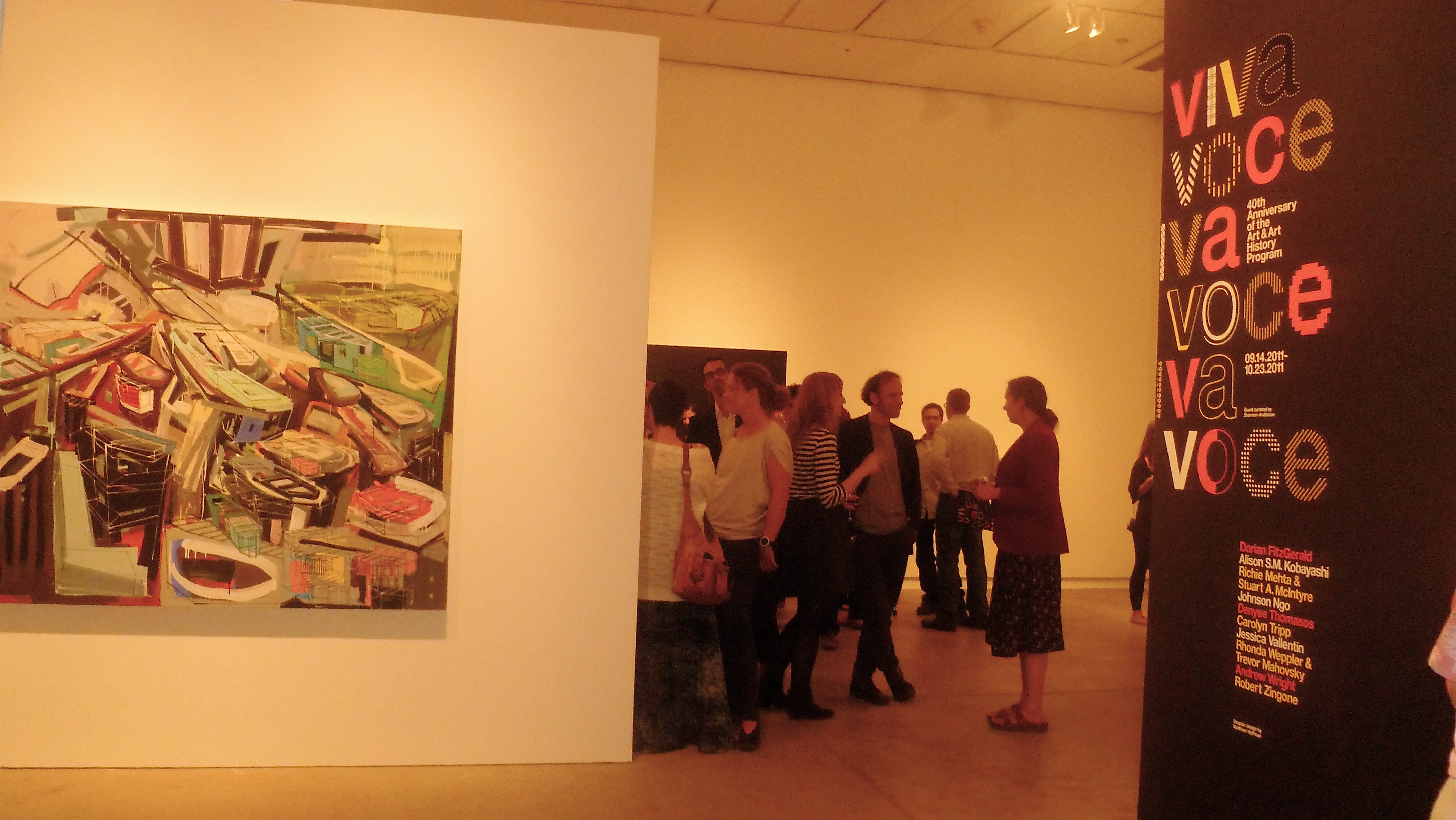
To commemorate the occasion, curator Shannon Anderson devised a collaborative curatorial approach for the exhibition, selecting artwork, designs, and films created by a diverse group of graduates. The Viva Voce exhibition, taking place at the Blackwood Gallery, features contemporary art in all media, generated by a selection of Art & Art History program alumni! Viva Voce features works devised by Dorian FitzGerald, Alison S.M. Kobayashi, Richie Mehta & Stuart A. McIntyre, Johnson Ngo, Denyse Thomasos, Carolyn Tripp, Jessica Vallentin, Rhonda Weppler & Trevor Mahovsky, Andrew Wright, and Robert Zingone. Alumni participants were selected on the basis of recommendations from past and present faculty members. In keeping with the 40th year anniversary, exactly 40 faculty members were contacted for recommendations.

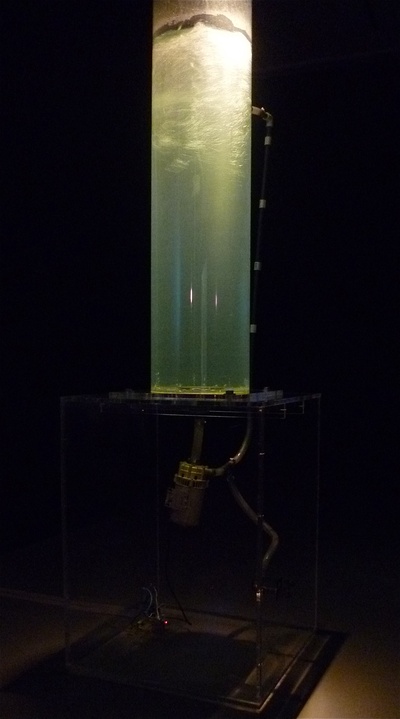
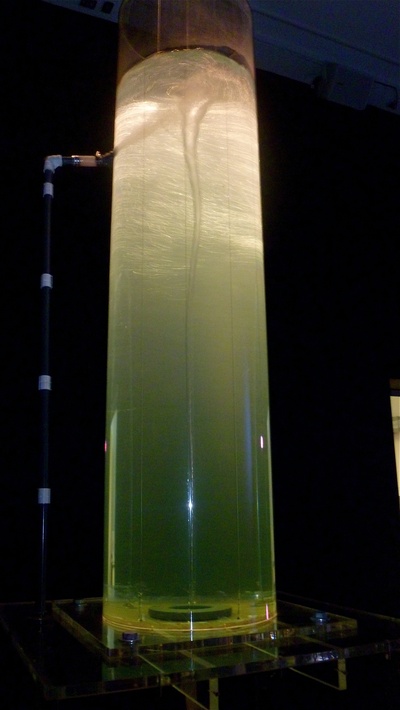
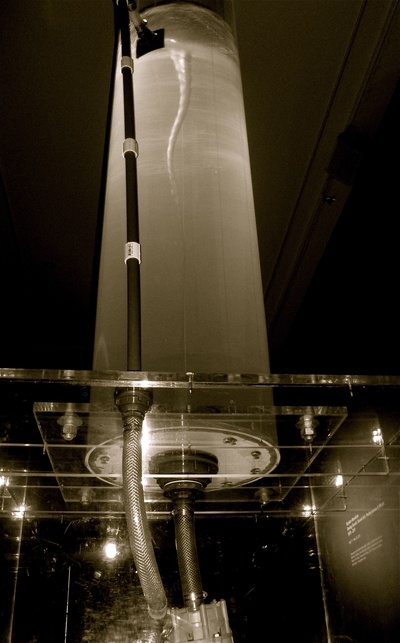
Rhonda Weppler & Trevor Mahovsky’s Stacks
The curatorial and exhibition method for Viva Voce is unique one, focusing on the relationship between a professor and his or her student. After all, faculty members were the ones responsible for recommending a select few program alumni. In keeping with the occasion, the exhibition exists as the product of a collective group effort made by the curator, program alumni, and professors, who all participated in this process. Not only does this exhibition exemplify the importance and complexities of a student and teacher relationship, it also illuminates the transformation of a student into a co-worker!
Viva Voce is a Latin term for “with the living voice,” a powerful and appropriate title. Within each piece of artwork exists a message or conceptual idea that has become “voiced” by its existence. This title also illustrates the many voices that have contributed to the development of this exhibition, including students, alumni, as well as the voices of faculty members.

Denyse Thomasos, Stealth
Walking into the Blackwood Gallery doors, herds of people were gathered around crisp white walls whispering, laughing and chatting. Hung on the entrance wall of the Blackwood Gallery, first to be seen is Denyse Thomasos piece titled “Stealth.” Encompassing an assortment of architectural forms, this is also piece borderline abstraction using bright colours such as blue, green, purple and red. One must walk around this wall in order to reach the other works of art in the gallery. The contrast of the stark white walls against the coloured paintings, sculptures, and films allows the artwork itself to illuminate the gallery. Each work is drastically different, drawing in the viewer’s attention time and time again! Who would want to spend time in the Blackwood Gallery viewing works of art that are all too similar anyways? Isn’t it fitting that the exhibition incorporates a variety of mixed media artworks, in order to represent each unique artistic practice?
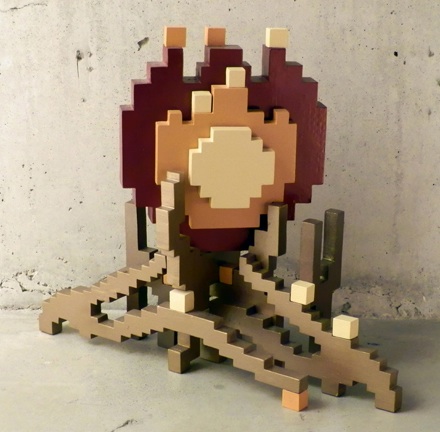
Carolyn Tripp, House Fire
Although physically each work of art is constructed extremely differently, and so they should be, conceptually they all represent the unique voice of each artist. Collectively the works of art represent relationships with teachers and their transition from student to graduate. Viva Voce gives students a fantastic opportunity to examine former students’ work while also giving the alumni an opportunity to further showcase their work. It is a great exchange! Students must be sure to check out this unique exhibition and join the University of Toronto at Mississauga in saluting this exciting 40th year milestone!
by Amanda Pignotti