Steve Rockwell launching dArt burger
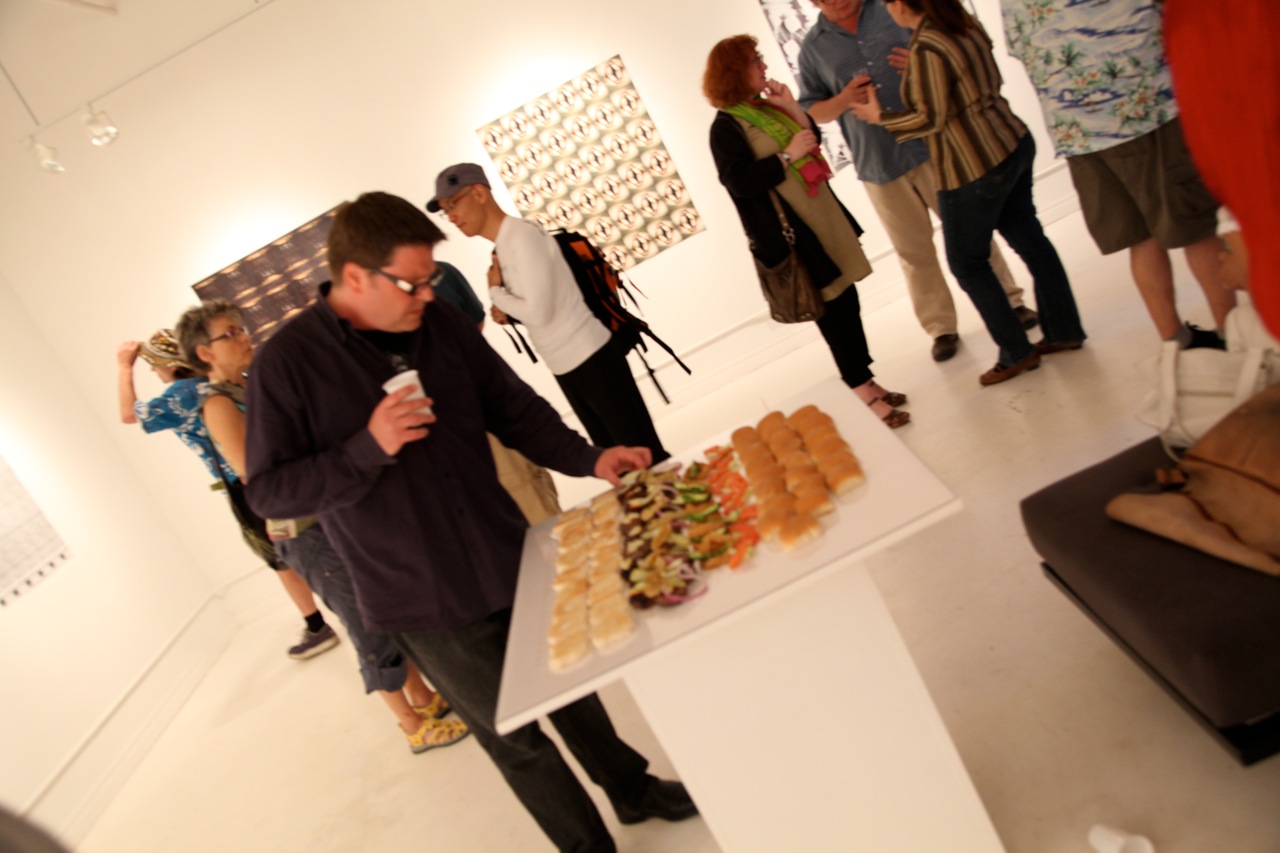
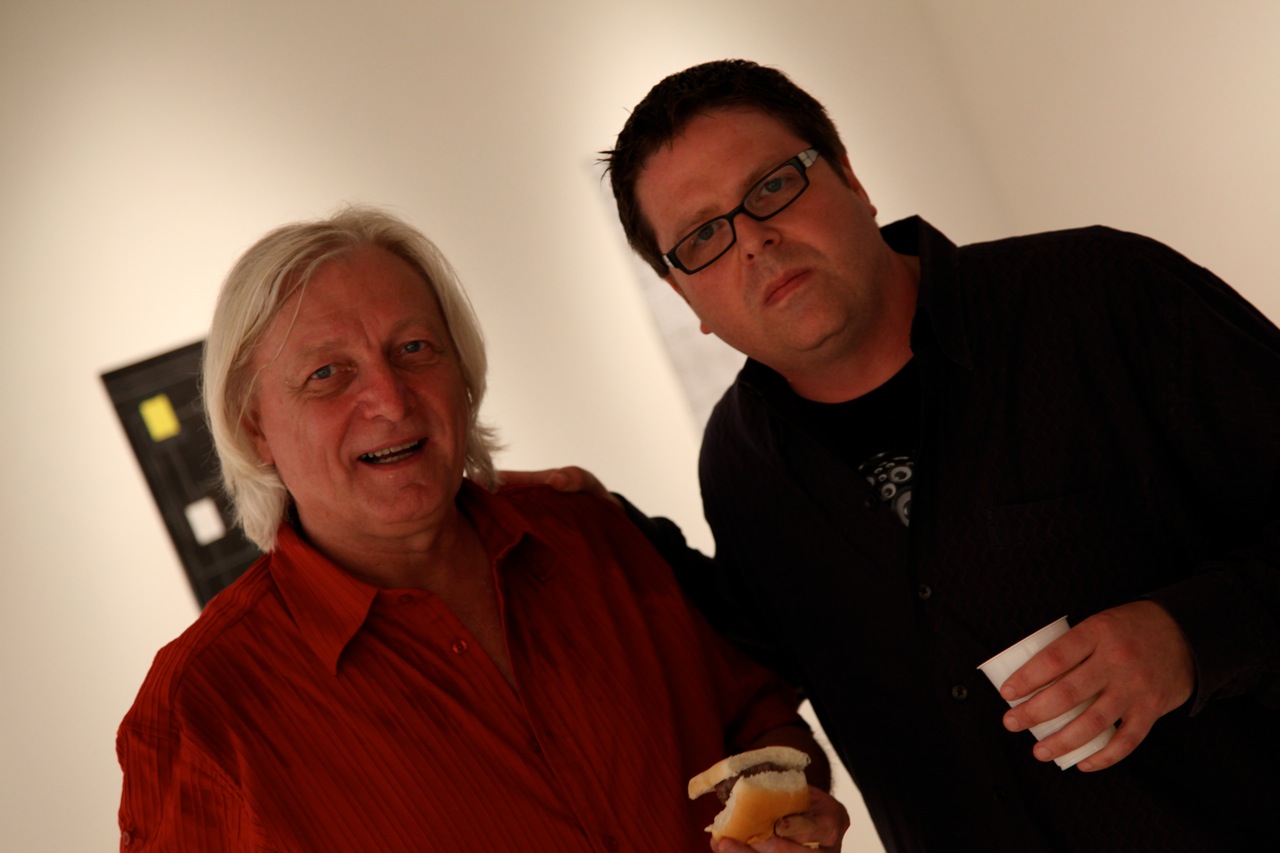 Steve Rockwell and producer Ben Marshall launching dArt burger
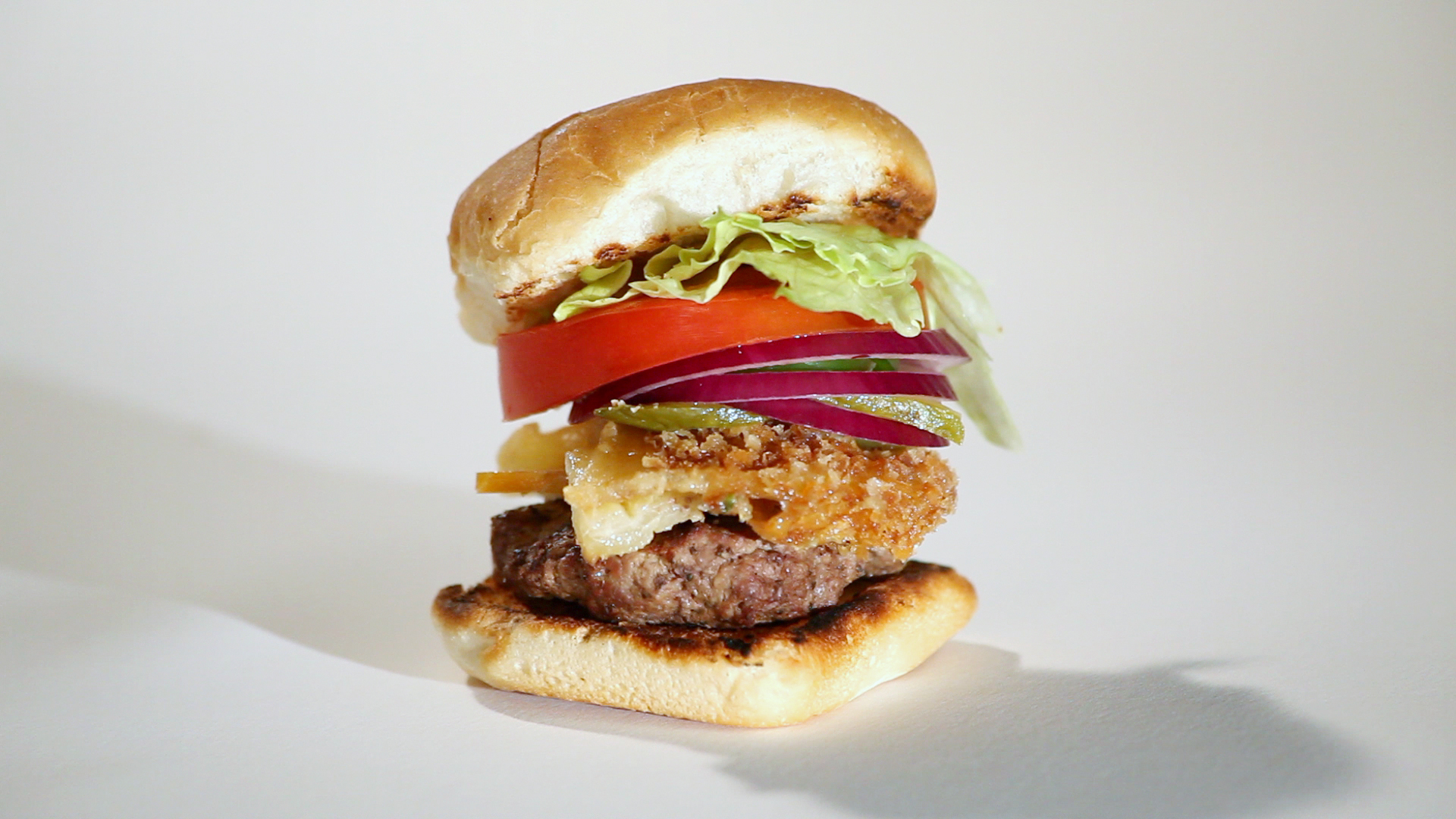 The dArt burger
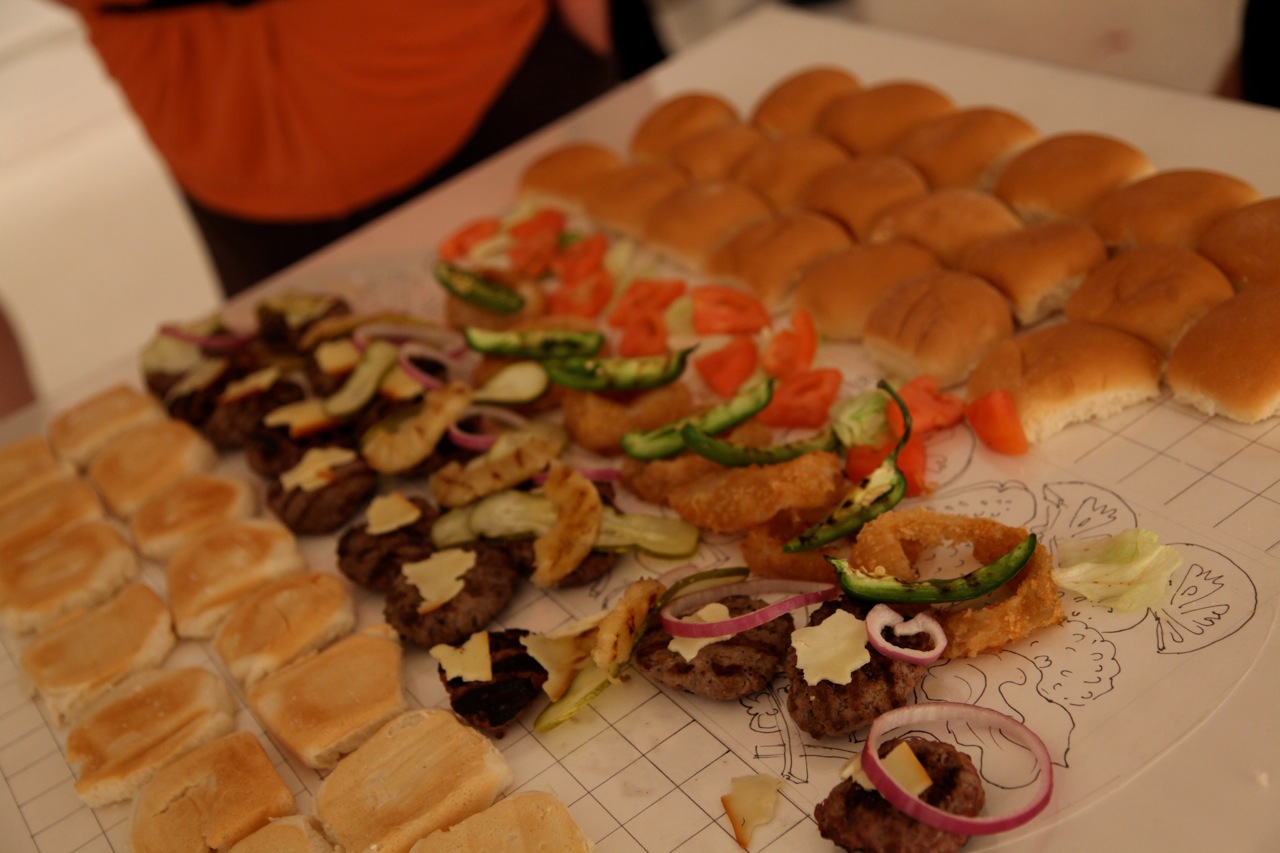
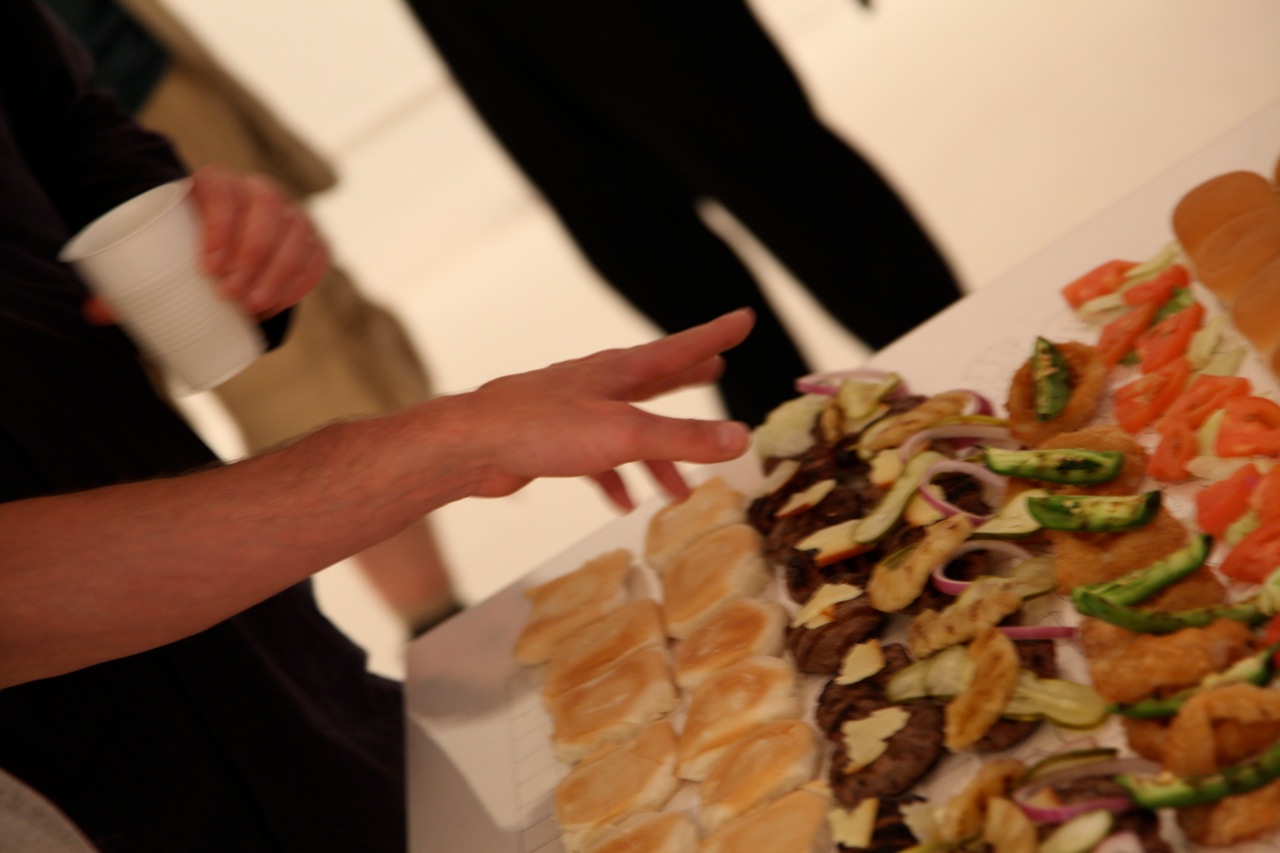
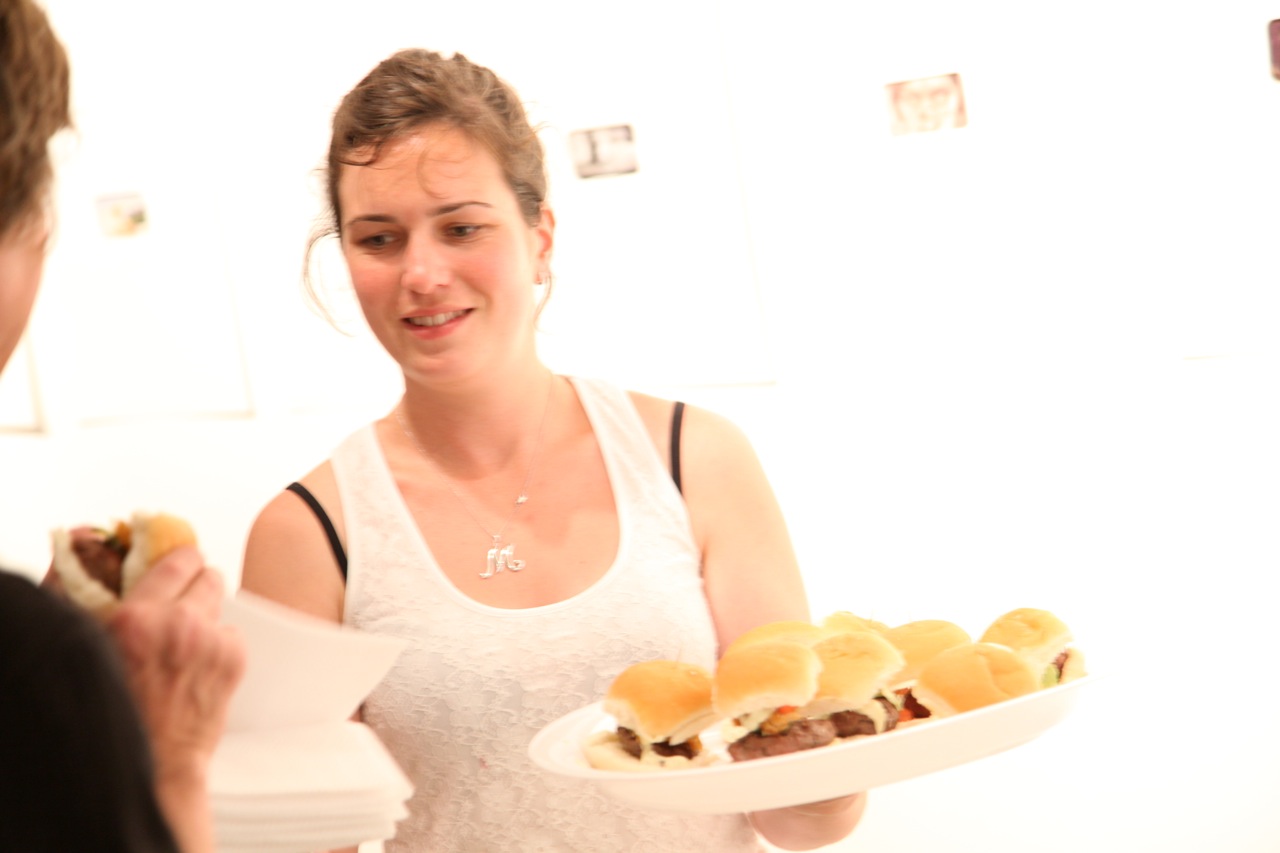
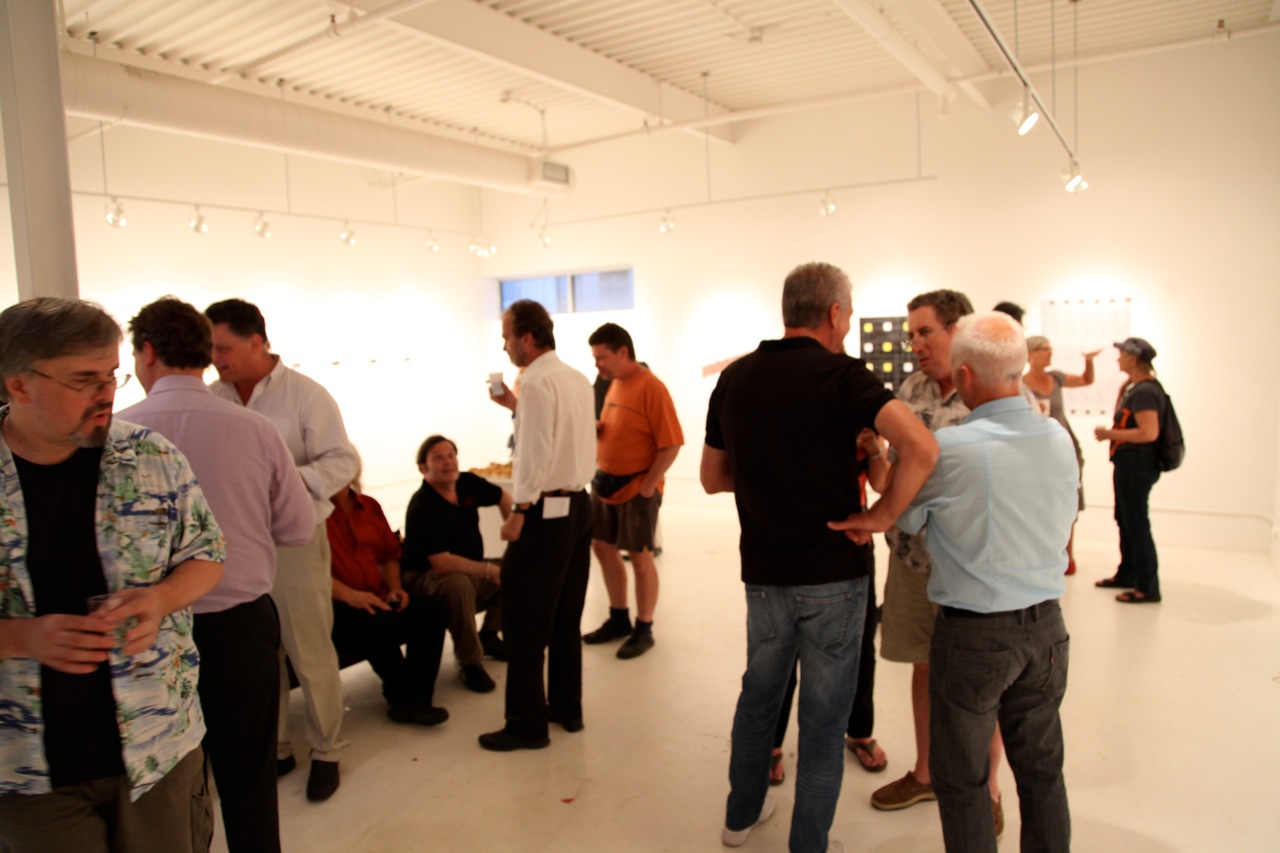
Photo by Terance Brouse
Steve Rockwell launching dArt burger
Steve Rockwell and producer Ben Marshall launching dArt burger
The dArt burger
Photo by Terance Brouse
By Ashley Johnson
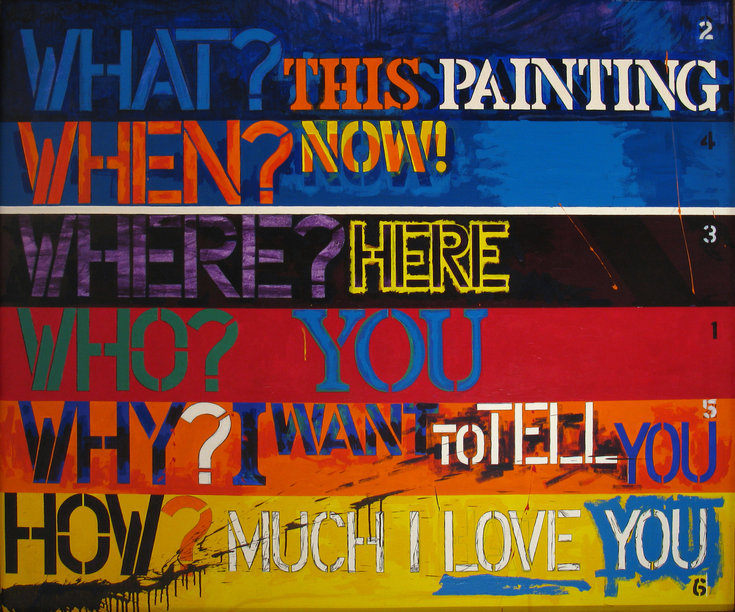 Six Questions, 1976, acrylic on canvas, 60 x 72 inches. Courtesy of Christopher Cutts Gallery
An exhibition in conjunction with THIS IS PARADISE, Mocca, 2011
Christopher Cutts Gallery,
June 25 – August 31, 2011
A sign of cultural maturity in developed societies is the wholehearted support and celebration of its artists. Their contribution is recognized as ‘cultural capital’, to be nurtured and exported, whether as art objects or social ideas. Value is attached and upheld by institutions that generate knowledge and shows about that product. A case in point is the current Abstract Expressionist exhibition at the AGO, orchestrated by MOMA (NY).
THIS IS PARADISE seeks to re-present the 80’s art scene in Queen Street West and is linked to Dennis Burton’s show, ‘Word Magic’ at the Christopher Cutts Gallery, because Burton taught some of the artists in the 60’s and 70’s at The New School of Art and Art’s Sake. That said, it’s an extremely tenuous connection artistically because the artists in THIS IS PARADISE represent mainly figuration, exemplified by the group Chromazone, whereas Burton’s art and teaching runs the gamut of modernism. A cursory glance at Burton’s extraordinary contribution both as an artist and as an educator makes one wonder why the institutional acknowledgement of these decades is so understated. The conjunction highlights the immaturity of this society.
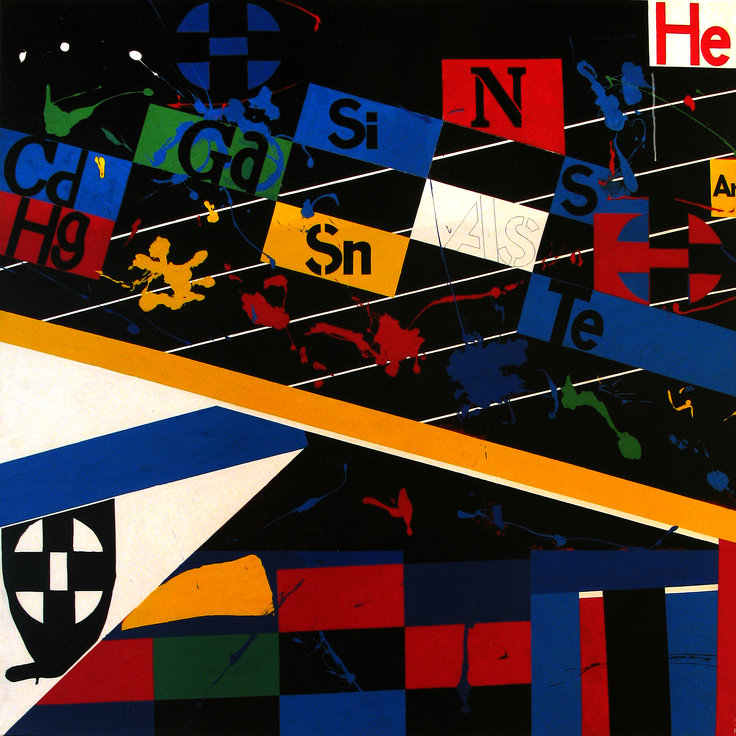 Alchemy, 1978, acrylic on canvas, 60 x 60 inches. Courtesy of Christopher Cutts Gallery
Burton uses words like a mechanic greasing an axle, fluidly and with some abandon. They lose their form and meaning, becoming sound poems generating new meanings through chance juxtapositions. Duchamp is ‘in the room’. There is an innate beauty to Burton’s writing style, which oscillates between making shapes out of words to laboriously etching text into every available space on the page. He loves words sensuously.
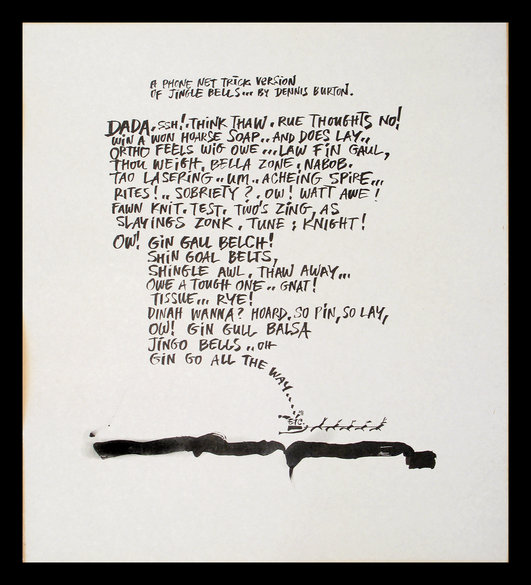 Jingle bells circa 1965, on paper, 18 x 16 inches
Courtesy of Christopher Cutts Gallery
There are some very absorbing framed texts in which Burton answers questions put by Rae Johnson and Brian Burnett about his experiences after graduating from OCA. It’s astounding to learn that the fine-arts program was abandoned by OCA in 1956 in favour of design elements. This galvanized Burton and his colleagues in 1965 to begin teaching art at The New School of Art and later Art’s Sake. There is something heroic in Burton’s efforts to survive monetarily and still teach students to become practicing artists. He is apparently remembered for his erudite lectures that synthesized knowledge from all spheres. Uniquely, his colleagues included artists actively working at their profession like Gordon Rayner, Robert Markle and others who all achieved some local notoriety. The schools sound like hotbeds of creativity and fun, with the Artist’s Jazz Band performing alongside theatre events. There are taverns like the Cameron House that became cultural meeting places. The roles of galleries such as Av Isaacs and Dorothy Cameron are mentioned. Censorship rears its head when police confiscate works and the artists go on trial but charges are later dismissed. In this period Burton made erotic images of women in a series called Garterbeltmania. They seem quite inoffensive and rather beautiful now.
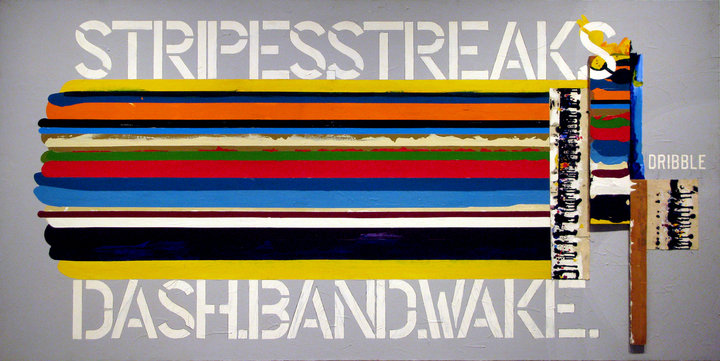 Stripe Streak, 1977, acrylic on canvas, 49 x 98 inches. Courtesy of Christopher Cutts Gallery
The paintings in this show remind me of Robert Rauschenberg and Jasper Johns’ work except Burton’s are more text based. They share an anomalous position in my mind as not quite ‘Pop Art’ yet vital in their Dadaistic ‘clawing back’ meaning from the excesses of Abstract Expressionist theory. Burton’s words have a humanity that reaches out, as in his painting Six Questions, which ends in an expression of love for … perhaps the viewer. In Stripe Streak he plays with meaning and action ironically. The self-importance of post painterly abstraction is gently and humorously debunked.
Glancing at Burton’s timeline on the ccca.ca website, one is left wishing to see a more comprehensive retrospective of the era and his art. It would be a pity if this history just lapses into obscurity. Fifty-odd years have already passed so it’s about time!

July 20 – July 31, 2011
Opening reception (by invitation): Friday, July 22, 6 – 9pm
Closing party (by invitation): Thursday, July 28, 6 – 9pm
Propeller Centre for Visual Arts
984 Queen St. W.
T:416 504 7142
www.propellerctr.com
rejected@torontorejects.com
Hours: Fri – Sat 12 – 6, Sun 12-5pm
Last year, the Toronto Complaints Choir, produced as part of the 2010-2011 World Stage season at Harbourfront Centre, collected over 1000 grievances, gripes, and annoyances from people across the city. The choir transformed these troubles into a siren song for the disenchanted. For twelve days in July, Bruce Mau Design (BMD) will work to do something about it.
Our pop-up studio, working in real-time in the Propeller Centre for the Visual Arts, will design solutions in response to the complaints. A book of these ideas will be simultaneously designed, and then given away throughout this city we love.
BMD’s Bureau of Doing Something About It is being led by studio designers Amanda Happé, Chris Braden, Kar Yan Cheung, Michal Dudek, and Paul Kawai.
By Phil Anderson
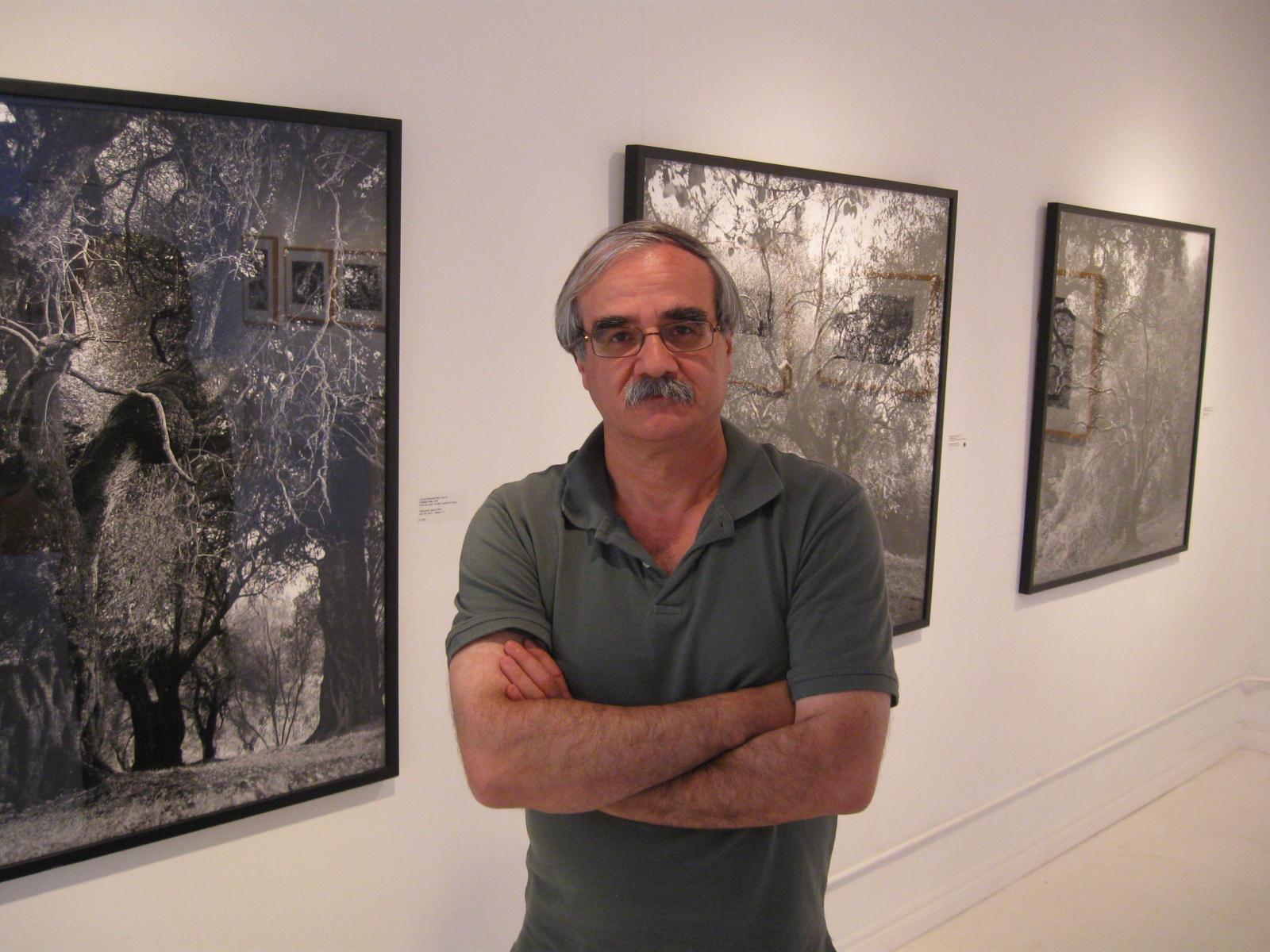 Vincenzo Pietropaolo. Photo:Phil Anderson
Upon meeting with documentary photographer , Vincenzo Pietropaolo at Toronto‘s De Luca Fine Art/Gallery, on Queen St. West, he explained of how he captured images of the Italian community as a young boy, an immigrant child. The camera allowed him access to another world. As a young man he played pool in a then local pool hall which is now part of a trendier world for visitors to the neighbourhood.
His art practice has evolved into many photographic series and eight photographic books such as Celebration of Resistance (1999), Harvest Pilgrims (2OO9), Making Home in Havana (2OO2) and Not Paved With Gold(2OO6) as well many writings and essays.
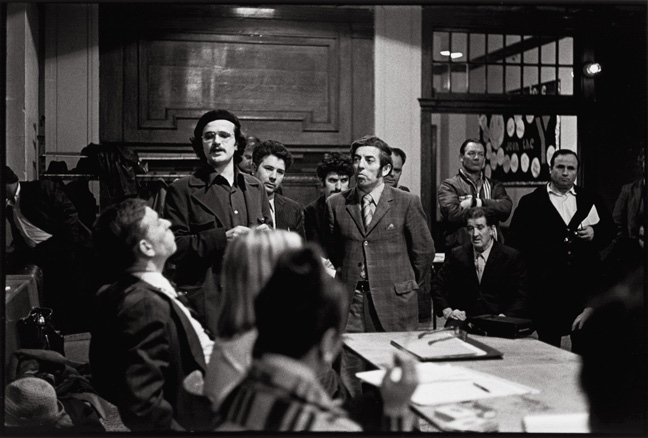 Commmunity meeting with government officials from Not Paved with Gold: Italian-Canadian immigrants in the 1970′ ©Vincenzo Pietropaolo
Photographs from the Not Paved with Gold series, explained Pietropaolo, exemplified the disillusion many new Italian immigrants felt arriving in Canada expecting more opportunities than existed.
Invisible No More (2O1O)
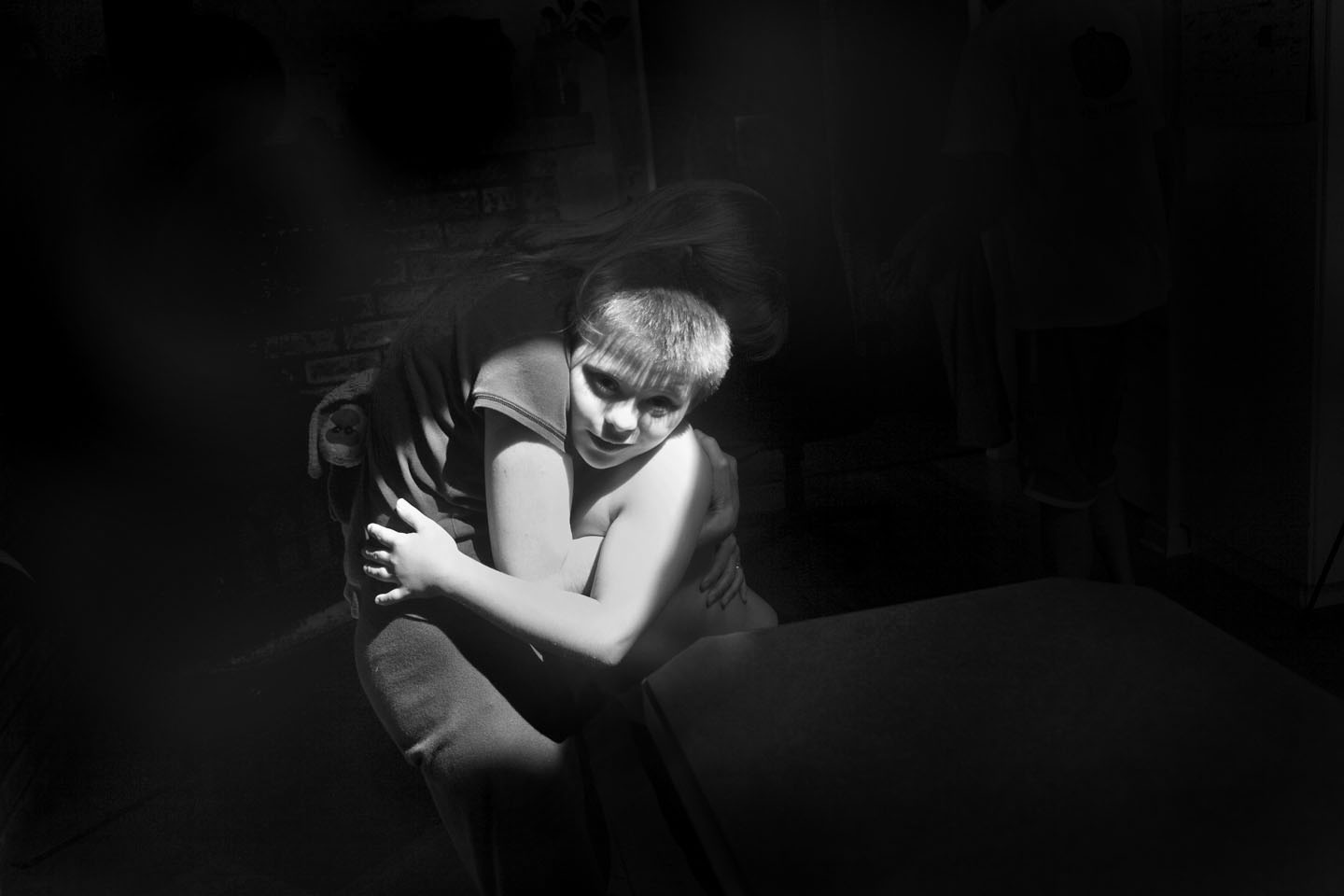 “David in his mother’s arms”, from the book Invisible No More: A Photographic Chronicle of the Lives of People with Intellectual Disabilties. ©Vincenzo Pietropaolo
Pietropaolo’s exhibit at De Luca Gallery (June 3 – July 2) was just coming to an end and it had encapsulated much of his early work from the 1970‘s documenting, the Toronto Italian community, immigrant farm and factory workers in Toronto and workers from across Canada. One of his most memorable experiences as a photographer was documenting workers across Canada as part of a commissioned project by the Canadian Auto Workers. He was allowed access to over 100 factories and workplaces across the country. When asked how workers felt about being photographed he said most were elated and asked what they should do. He asked them to just go about their work as usual. Some of the workplaces also thought, “why didn’t we think of creating a book commemorating our workers”, explained Pietropaolo.
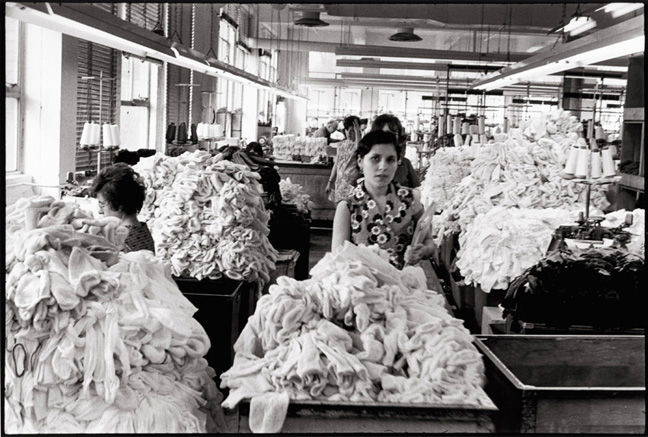 Workers in a sock factory in Toronto’s garment district. From Not Paved with Gold: Italian-Canadian Immigrants in the 1970s ©Vincenzo Pietropaolo
He said while today we talk about eating “local“ produce consumers don’t realize how many farms use migrant workers that leave their families for 3-6months of the year in order to support them. One photographic image in the exhibition captures this misery well. It is a letter written to a family in Jamaica from an migrant worker in Ontario.
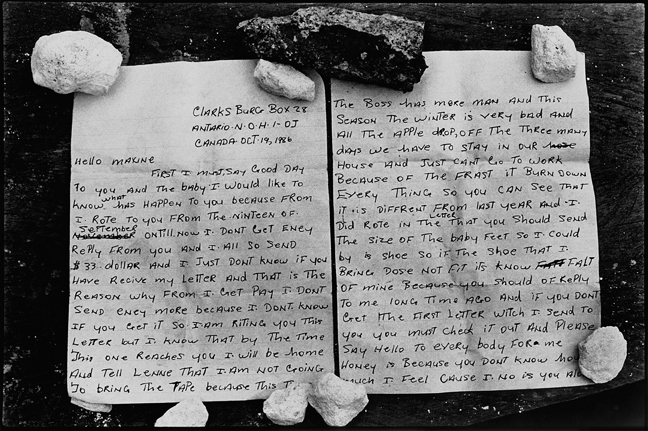 Tony Peart’s letter to his wife, from Harvest Pilgrims: Mexican and Caribbean Migrant Farm Workers in Canada. ©Vincenzo Pietropaolo
All of the works in the De Luca Fine Art/Gallery exhibit were black and white silver gelatin prints. Pietropaolo has embraced digital photography as most professional photographers have partly because of the demands of the profession. A little of the old magic has disappeared with the new technology but it has new advantages.
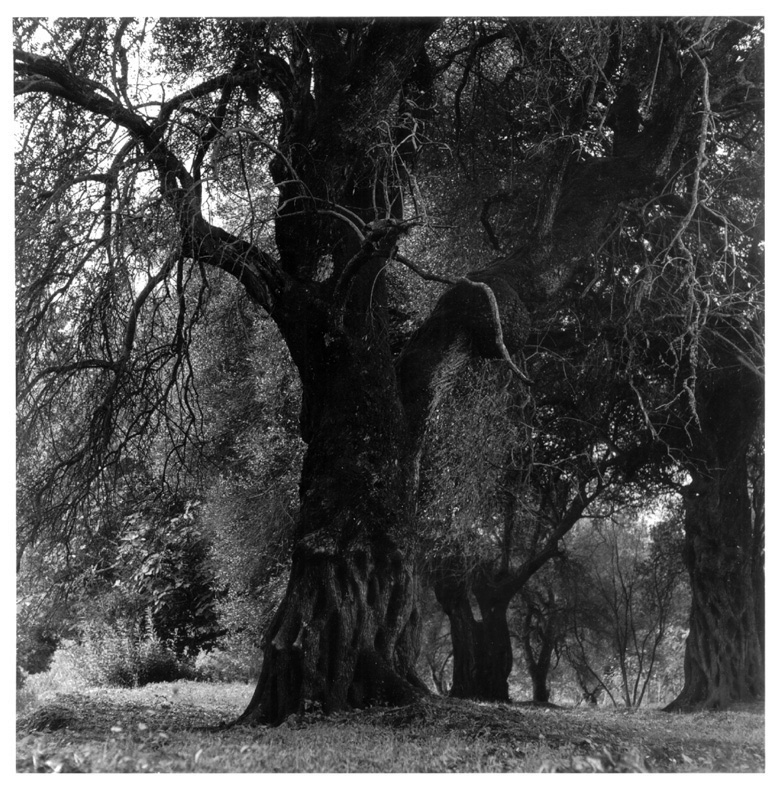 Ancient Monolith (olive tree #1), Calabria, Italy, 1979. ©Vincenzo Pietropaolo
Pietropaolo is also in a current exhibition as part of the Venice Biennale – Padiglione Italia the 54 th International Art Exhibition In Honour of the 150th Anniversary of the Unification of Italy curated by Vittorio Sgarbi at the Istituto Italiano Di Cultura (June 6 – November 27, 2011). The exhibition includes artist Tony Calzetta and mixed media artist, Francesca Vivenza as well as Vincenzo Pietropaolo. One can look forward to seeing more works by Pietropaolo and getting a further glimpse into the world as he captures it with images.
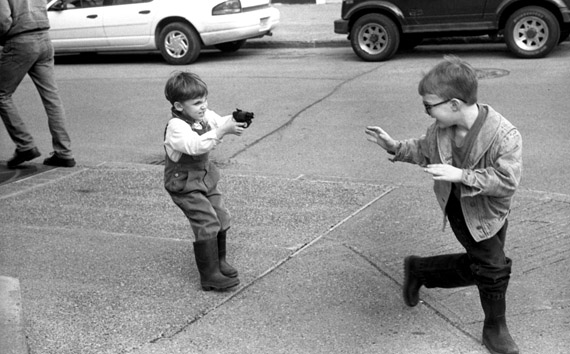 Incident on rue Roy, Montréal, 1966Copyright:© George S. Zimbel / Courtesy of Stephen Bulger Gallery
July 21 – September 17, 2011
Opening: Thursday, July 21, 5-9pm
Artist Talk: Saturday, July 23, 2pm. RSVP as seating is limited.
STEPHEN BULGER GALLERY
1026 Queen Street West
Toronto, Ontario M6J 1H6
T: 416.504.0575
E: info@bulgergallery.com
www.bulgergallery.com
“A lot goes into a finished documentary photograph: a very personal view of life, a knowledge of technique, and of course information. It is the information that grabs the viewer, but it is the photographer’s art that holds them” George S. Zimbel
The gallery is pleased to present its second exhibition by the acclaimed photographer George S. Zimbel, which concentrates on his wonderful depictions of childhood taken over a period of seven decades.
An alumnus of Columbia University, the Photo League and the Alexey Brodovitch Seminar, Zimbel (b. Woburn, Mass. 1929) honed his craft in New York City, working for national magazines (Look, The New York Times, Redbook, Parents, Architectural Forum, etc.). Parallel to assignments he was always at work on self – initiated projects. These included diverse subjects such as 1950s European photographs, readers from libraries to submarines, politics in the U.S. and Canada, Marilyn Monroe in The Seven Year Itch, and the ongoing chronicle of his family. For decades, Zimbel has displayed an uncanny ability to take quintessential photographs depicting our life and times.
The Zimbels left the United States and operated Bona Fide Farm on Prince Edward Island from1971-1980. After moving to Montréal in 1980, Zimbel has been printing and exhibiting from his extensive archive and has had many solo exhibitions at galleries and museums around the world. In 2000, he was honoured with the largest photography exhibit ever shown at Institut Valencià d’Art Modern in Spain, accompanied by a major catalogue. In 2001, Zimbel was given the Lifetime Achievement Award of Canadian Photographers in Communications and was short listed for the Roloff Beny Award for best Canadian photographic book. In 2004, Zimbel had a retrospective exhibition at Confederation Centre Museum and later that year he had a major presence in the Marilyn Monroe exhibition at the Brooklyn Museum. He was subsequently featured in the PBS American Master’s production “Marilyn Monroe: Still Life.” In 2005, Zimbel had a retrospective exhibition at the Canadian Embassy in Tokyo and the Owens Art Gallery at Mount Allison University followed by the publication of his book Bourbon Street New Orleans 1955. In 2006, he was inducted into the Royal Canadian Academy of Art.
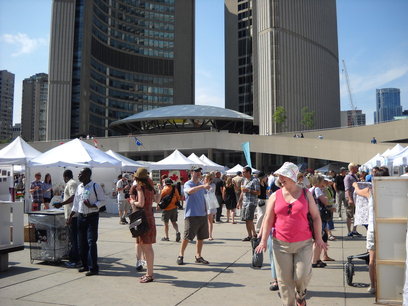 Photo: Imre Hajagos
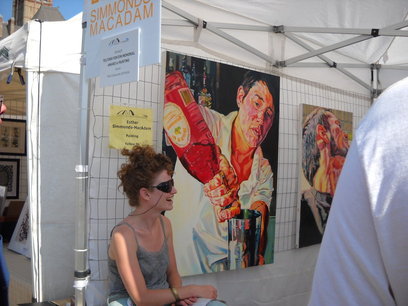 Artist, Esther Simmond-Mac Adam winner of the Telford Penton Memorial Award in Painting Photo: Emese Krunak-Hajagos
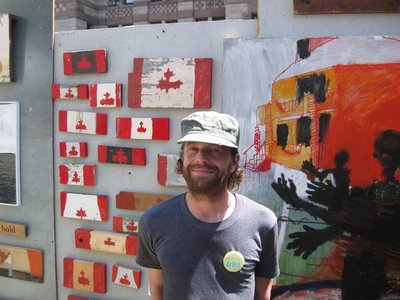 Artist, Clint Griffin Photo: Phil Anderson
 Artist, Amy Shackleton. Photo: Phil Anderson
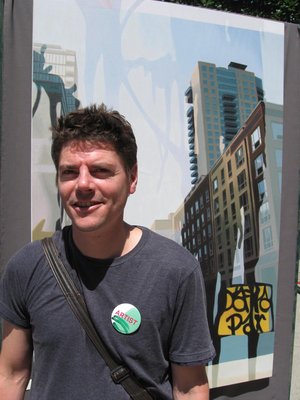 Artist, James Nye. Photo: Phil Anderson
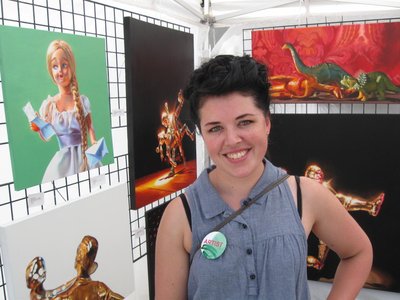 Artist Jane Duncan. Photo: Phil Anderson
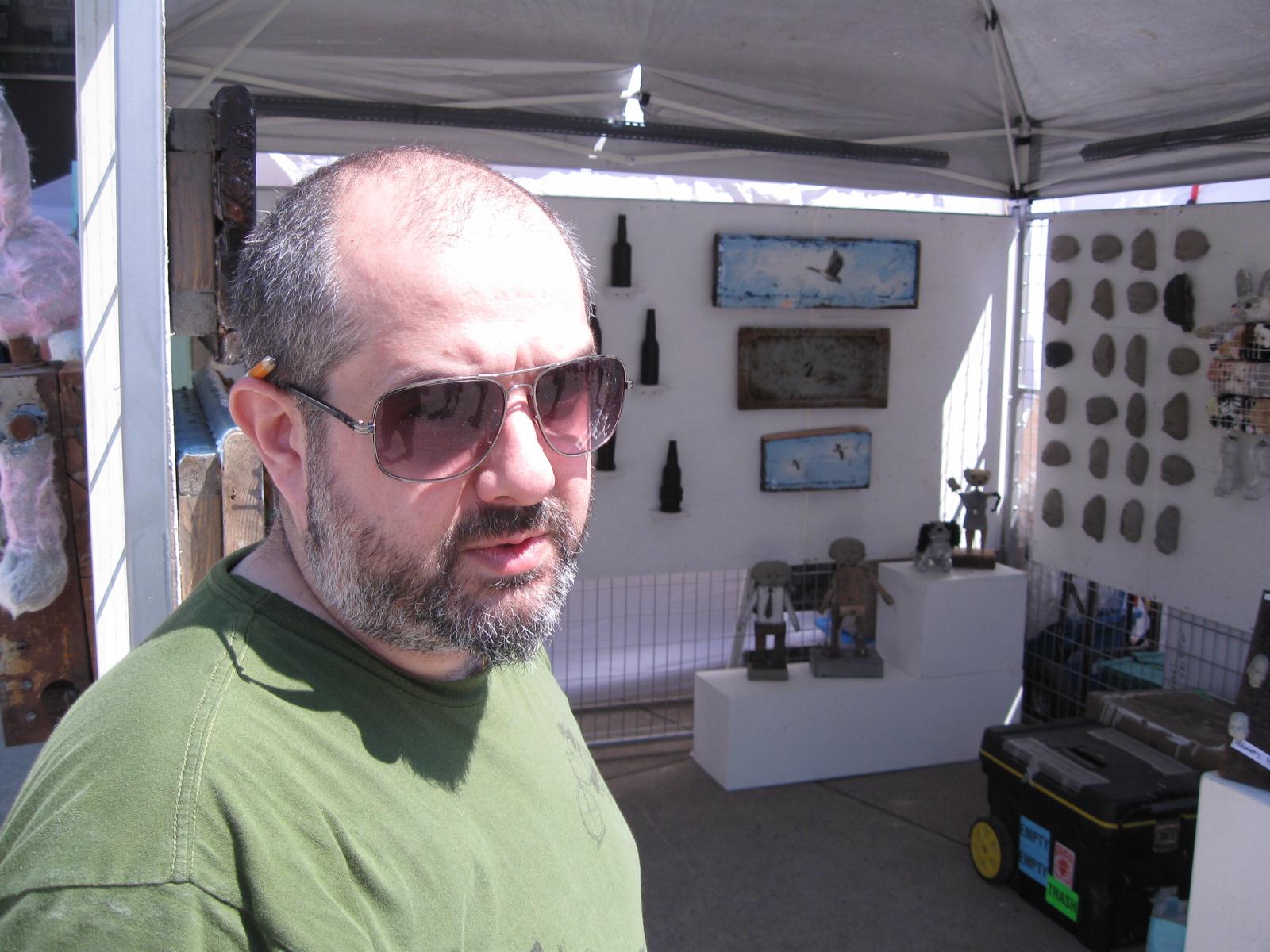 Artist, Ross Bonfanti, Honourable Mention in sculpture. Photo: Phil Anderson
 Artist Igor Sinitar. Photo: Phil Anderson
 Artist, Elva Hook. Photo: Phil Anderson
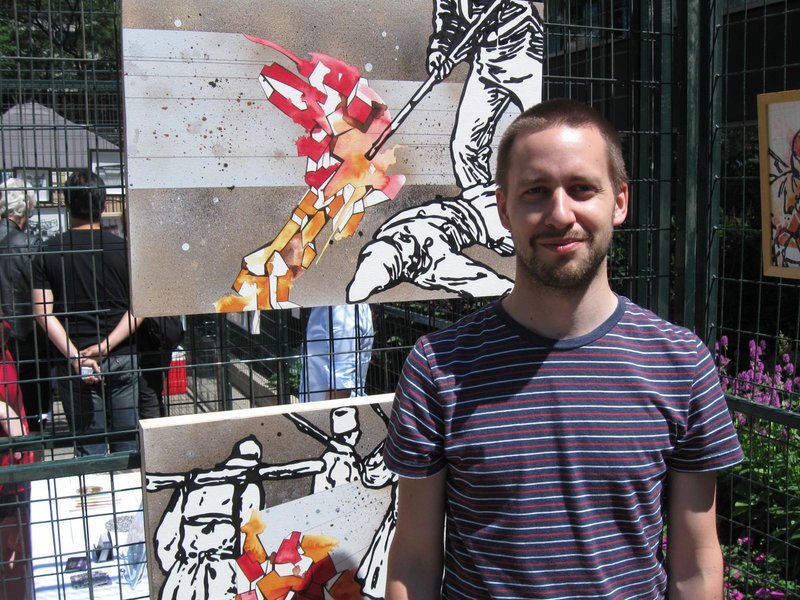 Artist, Jean-Sebastien Massicotte-Rousseau, Quebec. Photo: Phil Anderson
 Lila Karim, executice director of TOAE. Photo: Phil Anderson
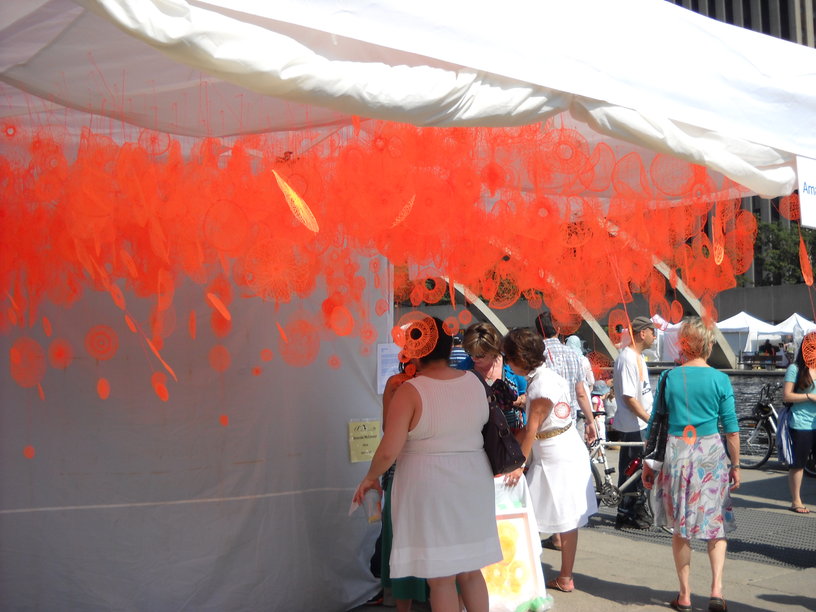 Fibre Art winner Amanda McCavour’s site. Photo: Emese Krunak Hajagos
 Mike Parson’s site. Photo: Imre Hajagos
 Lex Buchanen’s display Photo: Imre Hajagos
 Photo: Emese Krunak-Hajagos
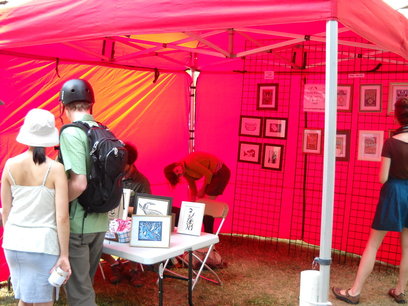 Photo: Imre Hajagos
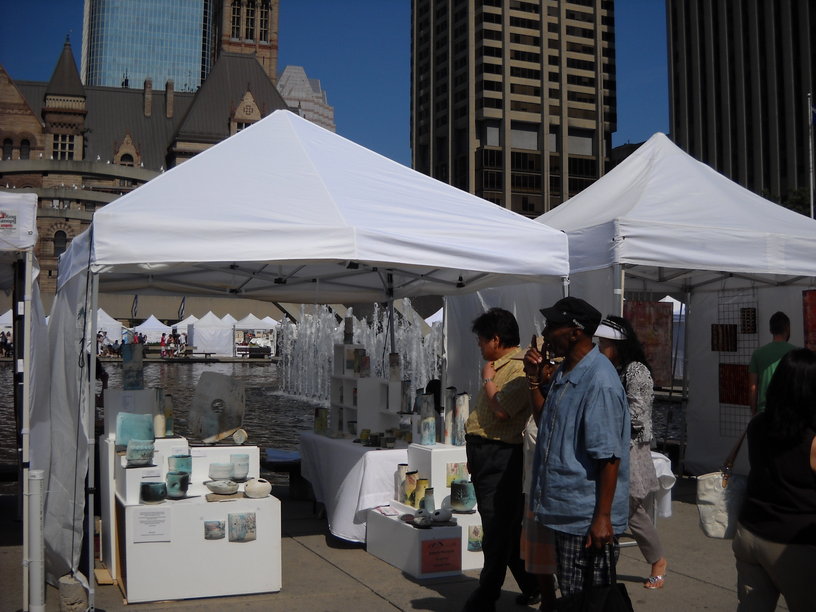 Photo: Imre Hajagos

artoronto.ca thanks BISERKA LIVAJA for her generosity of the following photographs
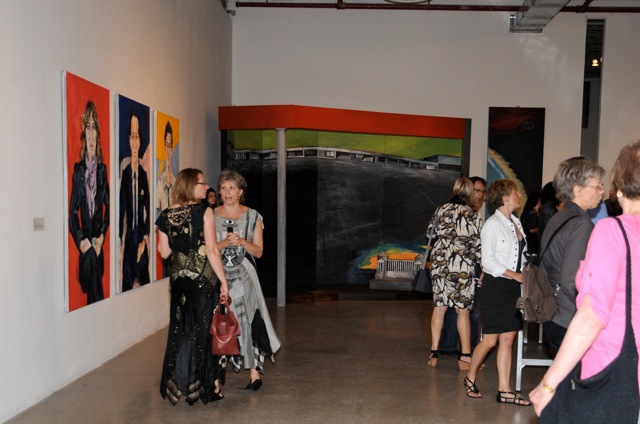
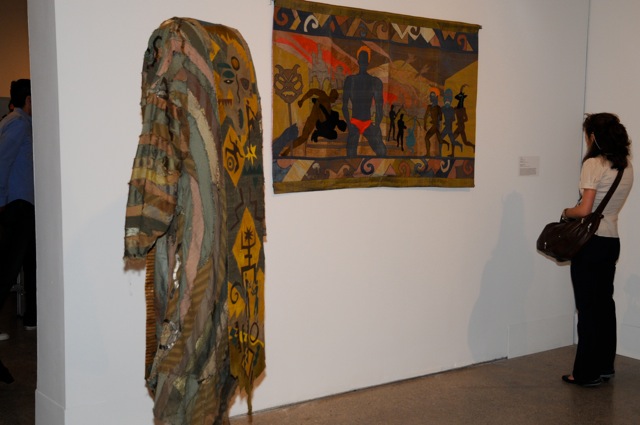
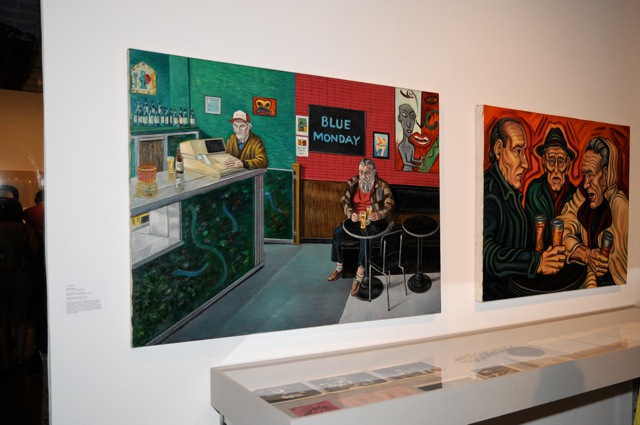
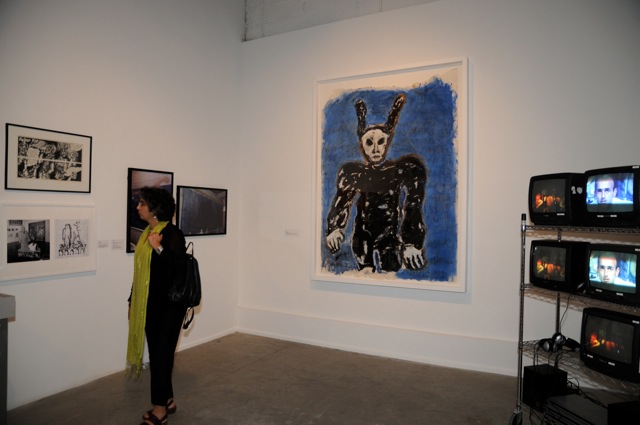

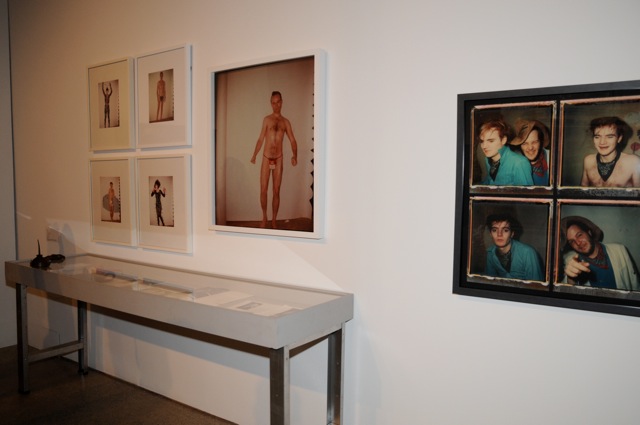
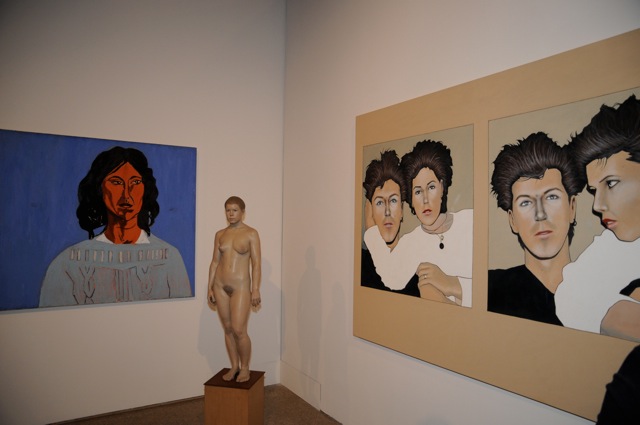
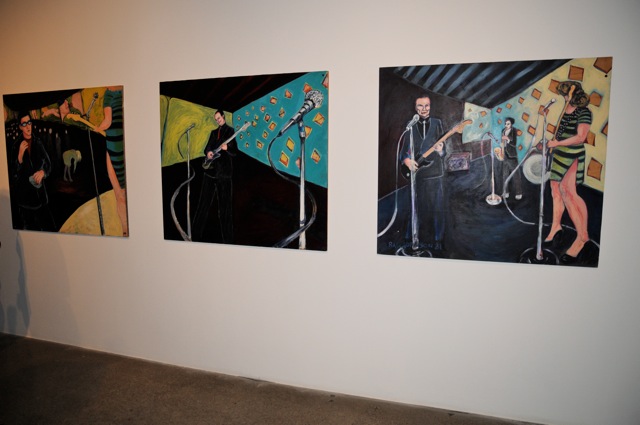
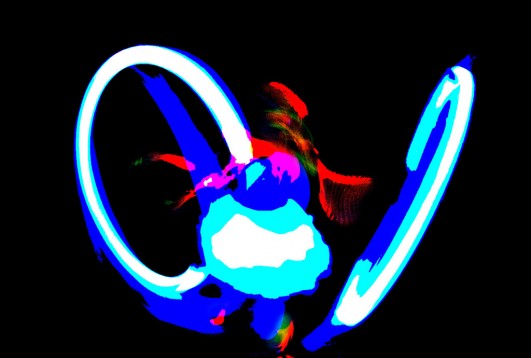 Miguel Aguayo, Dancer 1, 2011
Figure and Ground: Deaf View Photography
May 17-December 31
Distillery Historic District – Deaf Culture Centre
55 Mill St Bldg 5, Ste 101
Toronto, ON M5A 3C4
Tue – Sat 11am – 6pm
Sun 12 – 5pm
416.203.0343
info@deafculturecentre.ca
 Gauri Gill, Kundan Singh. Yuba City, California, 2001, Courtesy the artist and Bose Pacia, New York
Gauri Gill: The Americans
May 1 – July 31
Opening: May 1, 2:00 – 4:00 pm
Mississauga Central Library
301 Burnhamthorpe Rd W
Mississauga, L5B 3Y3
Mon – Fri 9am – 9pm
Sat 9am – 5pm
Sun 1 – 5pm
info@savac.net