Category: FEATURES

  • DENNIS BURTON / Word Magic – Toronto 1970’s

    By Ashley Johnson

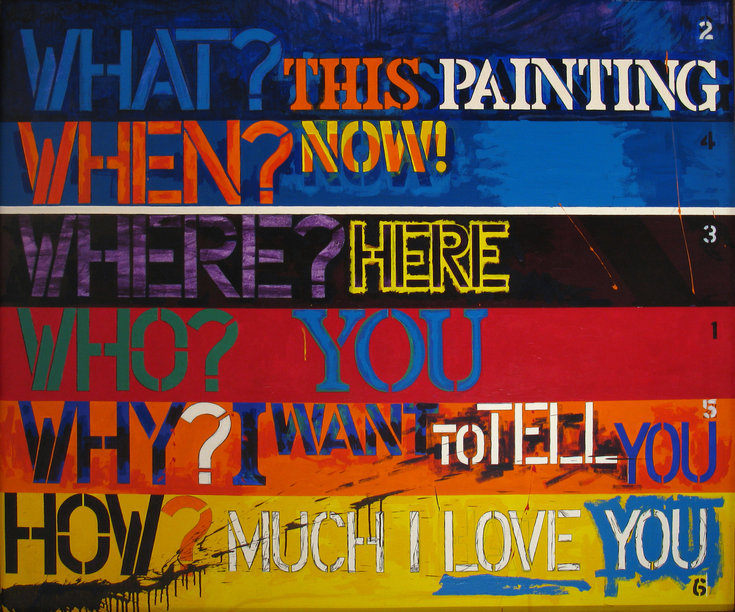
    Six Questions, 1976, acrylic on canvas, 60 x 72 inches. Courtesy of Christopher Cutts Gallery

    An exhibition in conjunction with THIS IS PARADISE, Mocca, 2011
    Christopher Cutts Gallery,
    June 25 – August 31, 2011

    A sign of cultural maturity in developed societies is the wholehearted support and celebration of its artists. Their contribution is recognized as ‘cultural capital’, to be nurtured and exported, whether as art objects or social ideas. Value is attached and upheld by institutions that generate knowledge and shows about that product. A case in point is the current Abstract Expressionist exhibition at the AGO, orchestrated by MOMA (NY).

    THIS IS PARADISE seeks to re-present the 80’s art scene in Queen Street West and is linked to Dennis Burton’s show, ‘Word Magic’ at the Christopher Cutts Gallery, because Burton taught some of the artists in the 60’s and 70’s at The New School of Art and Art’s Sake. That said, it’s an extremely tenuous connection artistically because the artists in THIS IS PARADISE represent mainly figuration, exemplified by the group Chromazone, whereas Burton’s art and teaching runs the gamut of modernism. A cursory glance at Burton’s extraordinary contribution both as an artist and as an educator makes one wonder why the institutional acknowledgement of these decades is so understated. The conjunction highlights the immaturity of this society.
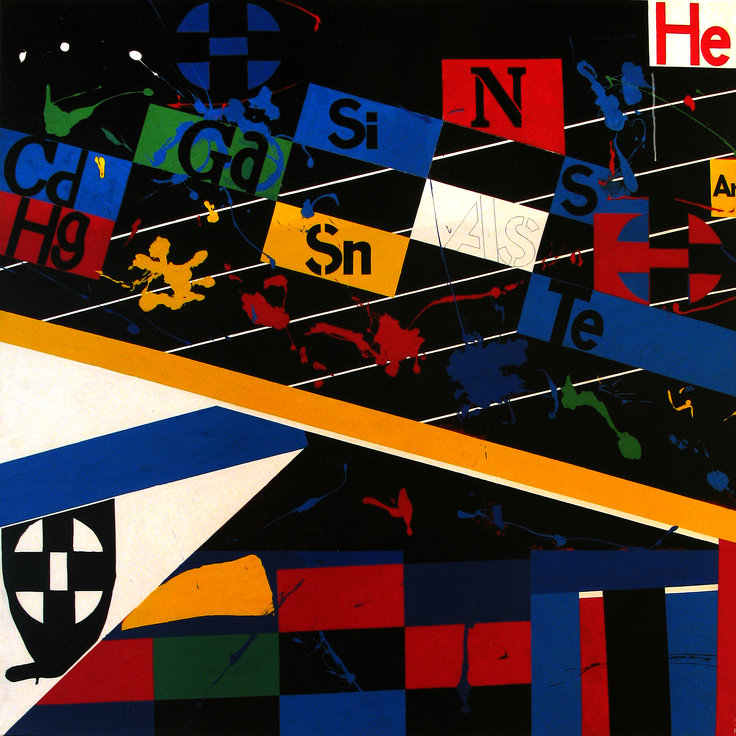
    Alchemy, 1978, acrylic on canvas, 60 x 60 inches. Courtesy of Christopher Cutts Gallery

    Burton uses words like a mechanic greasing an axle, fluidly and with some abandon. They lose their form and meaning, becoming sound poems generating new meanings through chance juxtapositions. Duchamp is ‘in the room’. There is an innate beauty to Burton’s writing style, which oscillates between making shapes out of words to laboriously etching text into every available space on the page. He loves words sensuously.
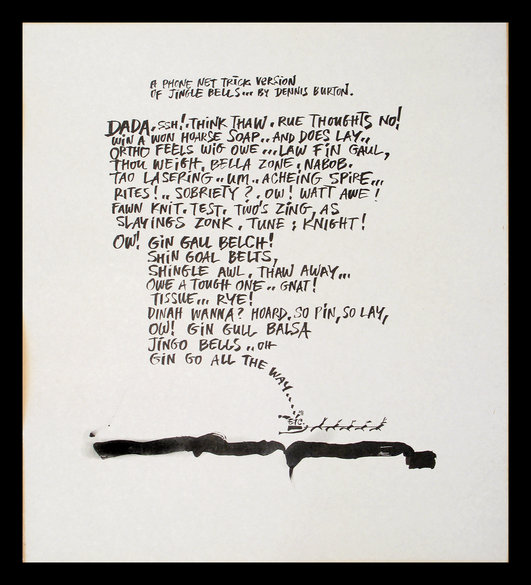
    Jingle bells circa 1965, on paper, 18 x 16 inches
    Courtesy of Christopher Cutts Gallery

    There are some very absorbing framed texts in which Burton answers questions put by Rae Johnson and Brian Burnett about his experiences after graduating from OCA. It’s astounding to learn that the fine-arts program was abandoned by OCA in 1956 in favour of design elements. This galvanized Burton and his colleagues in 1965 to begin teaching art at The New School of Art and later Art’s Sake. There is something heroic in Burton’s efforts to survive monetarily and still teach students to become practicing artists. He is apparently remembered for his erudite lectures that synthesized knowledge from all spheres. Uniquely, his colleagues included artists actively working at their profession like Gordon Rayner, Robert Markle and others who all achieved some local notoriety. The schools sound like hotbeds of creativity and fun, with the Artist’s Jazz Band performing alongside theatre events. There are taverns like the Cameron House that became cultural meeting places. The roles of galleries such as Av Isaacs and Dorothy Cameron are mentioned. Censorship rears its head when police confiscate works and the artists go on trial but charges are later dismissed. In this period Burton made erotic images of women in a series called Garterbeltmania. They seem quite inoffensive and rather beautiful now.
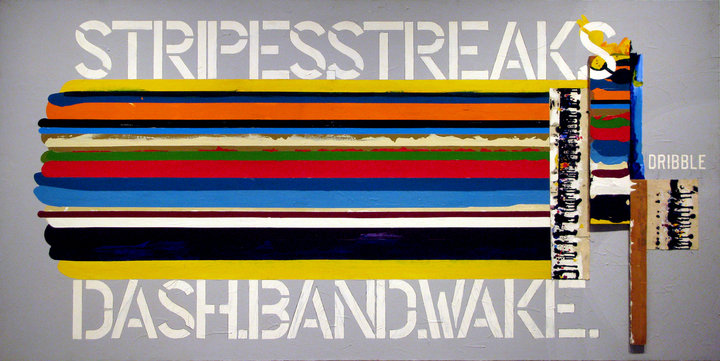
    Stripe Streak, 1977, acrylic on canvas, 49 x 98 inches. Courtesy of Christopher Cutts Gallery

    The paintings in this show remind me of Robert Rauschenberg and Jasper Johns’ work except Burton’s are more text based. They share an anomalous position in my mind as not quite ‘Pop Art’ yet vital in their Dadaistic ‘clawing back’ meaning from the excesses of Abstract Expressionist theory. Burton’s words have a humanity that reaches out, as in his painting Six Questions, which ends in an expression of love for … perhaps the viewer. In Stripe Streak he plays with meaning and action ironically. The self-importance of post painterly abstraction is gently and humorously debunked.

    Glancing at Burton’s timeline on the ccca.ca website, one is left wishing to see a more comprehensive retrospective of the era and his art. It would be a pity if this history just lapses into obscurity. Fifty-odd years have already passed so it’s about time!
  • Through The Lens. A Photographic Journey with Vincenzo Pietropaolo

    By Phil Anderson

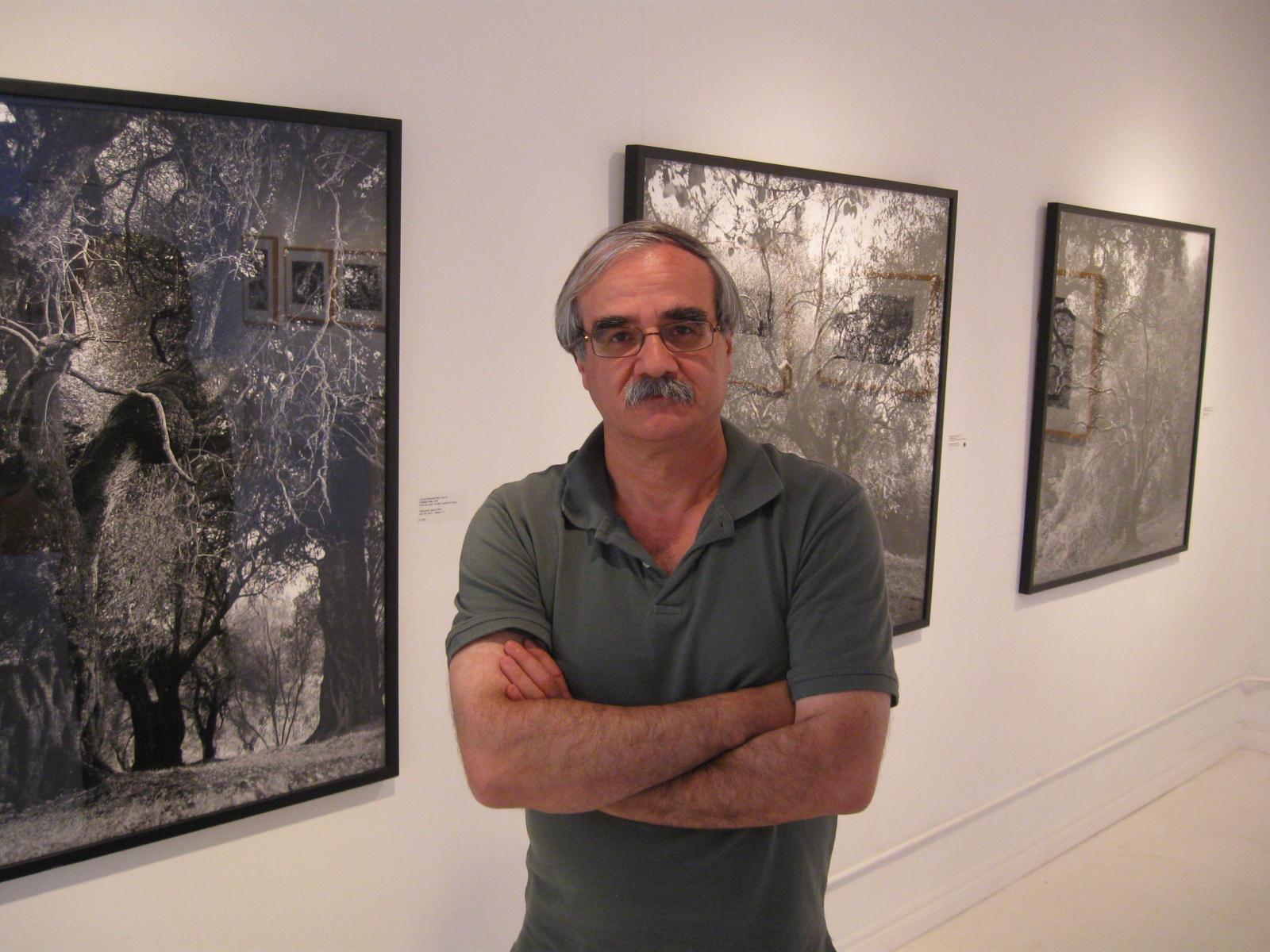
     Vincenzo Pietropaolo. Photo:Phil Anderson

     Upon meeting with documentary photographer , Vincenzo Pietropaolo at Toronto‘s De Luca Fine Art/Gallery, on Queen St. West, he explained of how he captured images of the Italian community as a young boy, an immigrant child. The camera allowed him access to another world. As a young man he played pool in a then local pool hall which is now part of a trendier world for visitors to the neighbourhood.

        His art practice has evolved into many photographic series and eight photographic books such as Celebration of Resistance (1999), Harvest Pilgrims (2OO9), Making Home in Havana (2OO2) and Not Paved With Gold(2OO6) as well many writings and essays.

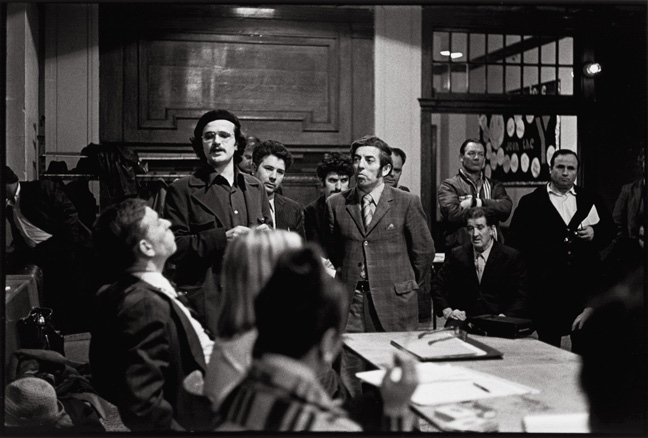
               Commmunity meeting with government officials  from Not Paved with Gold: Italian-Canadian immigrants in the 1970′ ©Vincenzo Pietropaolo

    Photographs from the Not Paved with Gold series, explained Pietropaolo, exemplified the disillusion many new Italian immigrants felt arriving in Canada expecting more opportunities than existed.

           Pietropaolo‘s latest book,

    Invisible No More (2O1O)

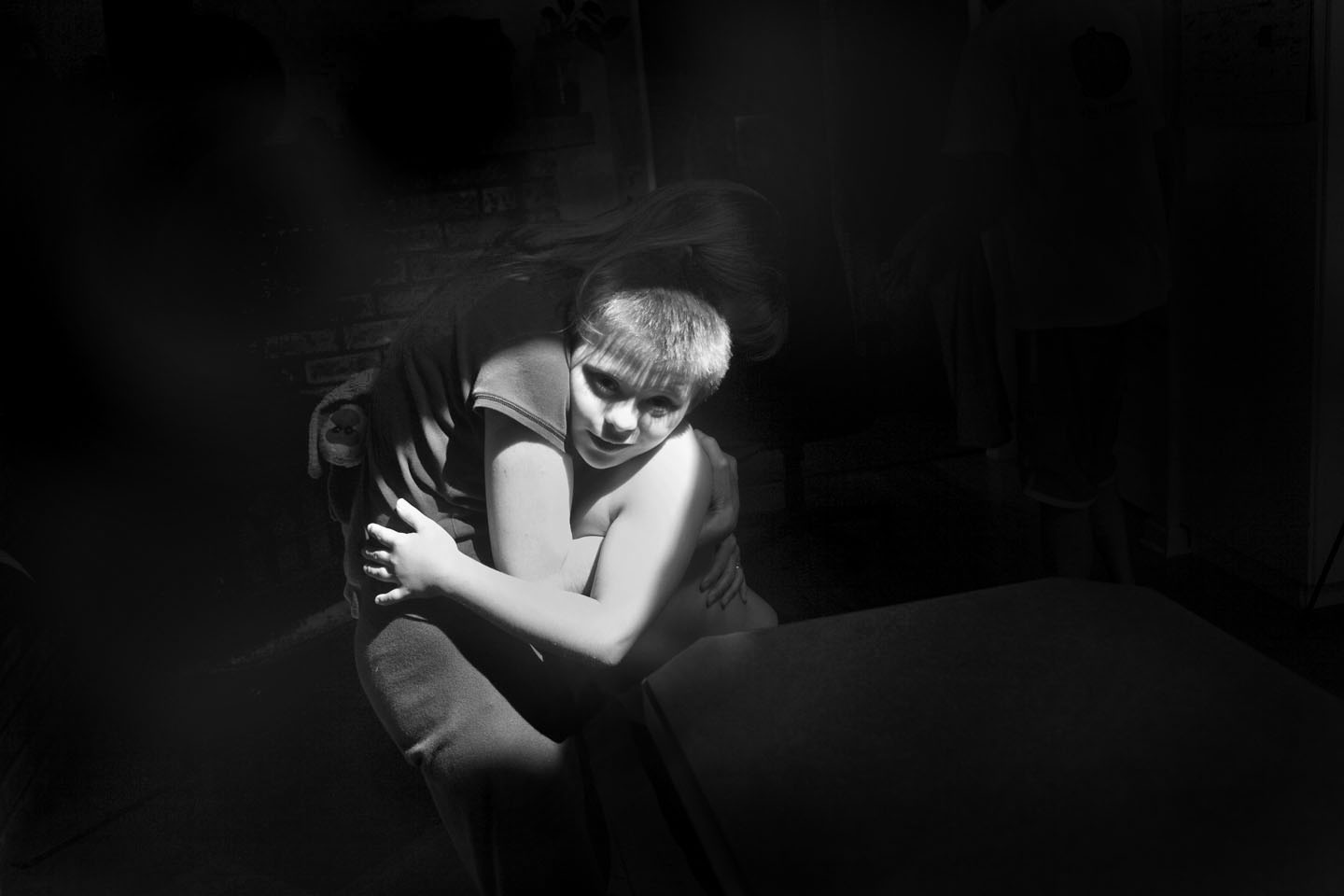
    , is an exploration into the lives of Canadians with intellectual disabilities and their families. Like most of his photographic work it has a social commentary that gives us all a better understanding of his subject matter and tells a poignant story with pictures. All Pietropaolo‘s portraits are engaging and immerse the viewer into the world of the subject. Pietropaolo successfully takes the viewer with him into these new worlds.

     “David in his mother’s arms”,  from the book Invisible No More: A  Photographic Chronicle of the Lives of People with Intellectual Disabilties. ©Vincenzo Pietropaolo

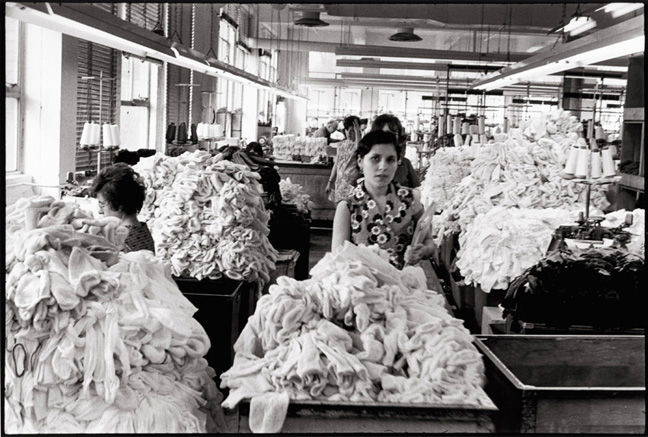
         Pietropaolo’s exhibit at De Luca Gallery (June 3 – July 2) was just coming to an end and it had encapsulated much of his early work from the 1970‘s documenting, the Toronto Italian community, immigrant farm and factory workers in Toronto and workers from across Canada. One of his most memorable experiences as a photographer was documenting workers across Canada as part of a commissioned project by the Canadian Auto Workers. He was allowed access to over 100 factories and workplaces across the country. When asked how workers felt about being photographed he said most were elated and asked what they should do. He asked them to just go about their work as usual. Some of the workplaces also thought, “why didn’t we think of creating a book commemorating our workers”, explained Pietropaolo.

    Workers in a sock factory in Toronto’s garment district. From Not Paved with Gold: Italian-Canadian Immigrants in the 1970s ©Vincenzo Pietropaolo
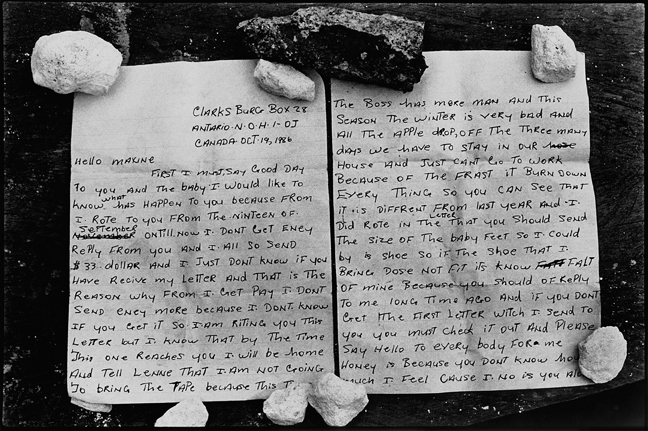
     He said while today we talk about eating “local“ produce consumers don’t realize how many farms use migrant workers that leave their families for 3-6months of the year in order to support them. One photographic image in the exhibition captures this misery well. It is a letter written to a family in Jamaica from an migrant worker in Ontario.

              Tony Peart’s letter to his wife, from Harvest Pilgrims: Mexican and Caribbean Migrant Farm Workers in Canada. ©Vincenzo Pietropaolo
     All of the works in the De Luca Fine Art/Gallery exhibit were black and white silver gelatin prints. Pietropaolo has embraced digital photography as most professional photographers have partly because of the demands of the profession. A little of the old magic has disappeared with the new technology but it has new advantages.

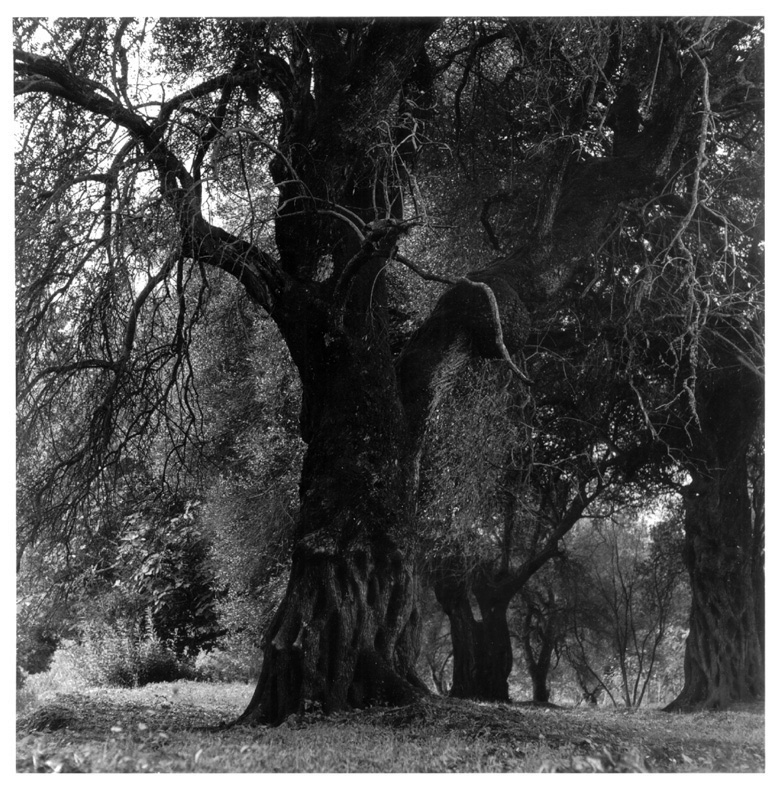
     Ancient Monolith (olive tree #1), Calabria, Italy, 1979. ©Vincenzo Pietropaolo
    Pietropaolo is also in a current exhibition as part of the Venice Biennale – Padiglione Italia the 54 th International Art Exhibition In Honour of the 150th Anniversary of the Unification of Italy curated by Vittorio Sgarbi at the Istituto Italiano Di Cultura  (June 6 – November 27, 2011). The exhibition includes artist Tony Calzetta and mixed media artist, Francesca Vivenza as well as Vincenzo Pietropaolo. One can look forward to seeing more works by Pietropaolo and getting a further glimpse into the world as he captures it with images.

  • This is Paradise | Place as state of mind:The Cameron Public House and 1980s Toronto

    Barbara Cole, Tomorrow, 1984. Appliqued c-print. Courtesy of the artist. © Barbara Cole

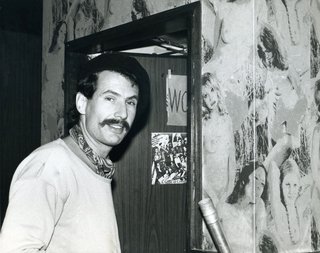
     Upon opening its doors under the new ownership in October 1981, the Cameron became a magnet for the most talented and ambitious in the ‘hood. It came together as a kind of social experiment in the form of a hotel, similar to hotels like the Chelsea in New York, but fundamentally different in that it’s reason d’etre from the beginning wasn’t to sell beer and collect rent, but to provide a place for Culture.

    As the “rag” trade receded from the area, large industrial spaces became vacant and the inevitable happened; the artists moved in and dominated the cultural ecology of the neighbourhood until the last years of the eighties, when AIDS and heroin shook the community and gentrification tipped the delicate balance.

    1981. Painters Gordon Rayner, Gershon Iskowitz, Graham Coughtry, Robert Markle and Gwartzmans Art Supplies were already long time residents of the Spadina and College area. Almost overnight the Queen West and Spadina neighbourhood became dominated by artists of all stripes – dressed in the Queen West signature black leather. “We have more black leather than Queen Street West”, declared an ad on a streetcar shelter. The boundaries of this new art territory could be roughly mapped out as a string of bars starting at College and Spadina with the Silver Dollar  where clientele could see naked performance artists at work. Down the street the El Mocambo, Grossman’s Tavern to King Street and the Spadina Hotel”s “Cabana Room”. Include Kensintgon Market and Fort Goof. Westward to the Horseshoe, the Cameron, to the Holiday Tavern at Bathurst and Queen and South again to King and Bathurst, the Wheat Sheaf.

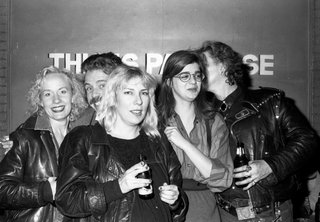
            Anne Marie  and Paul Sannella Photo: Biserka Livaja

    There were many bars and clubs programming cutting edge music at the time, but the Cameron was the first andarguably the only one to see the possibilities of inviting all cultural and social manifestations of the moment into its edifice. During its first years,  siblings Ann Marie and Paul Sannella, and their friend Herb Tookey, took hold of the visual art programming – a term which sounds too formal in the context of the era.  Art was everywhere – on the exterior walls, the front and back rooms, bathrooms, hallways, ceilings. Interesting new musicians and singers were given a venue where they could develop their craft. The Cameron hosted a non-stop stream of fundraising events for the newly formed neighbourhood arts collectives. Given this melting pot environment, it is not surprising a long list of Canadian cultural icons can be linked to the Cameron.  The close proximity of everyone, the availability of a public venue to perform or show work and the necessity of collaboration, brought to fruition ambitious projects like Chromaliving 83, involving over 150 artists representing every conceivable kind of cultural production.  The Cameron was the nerve centre, where Chromazone kept its office.

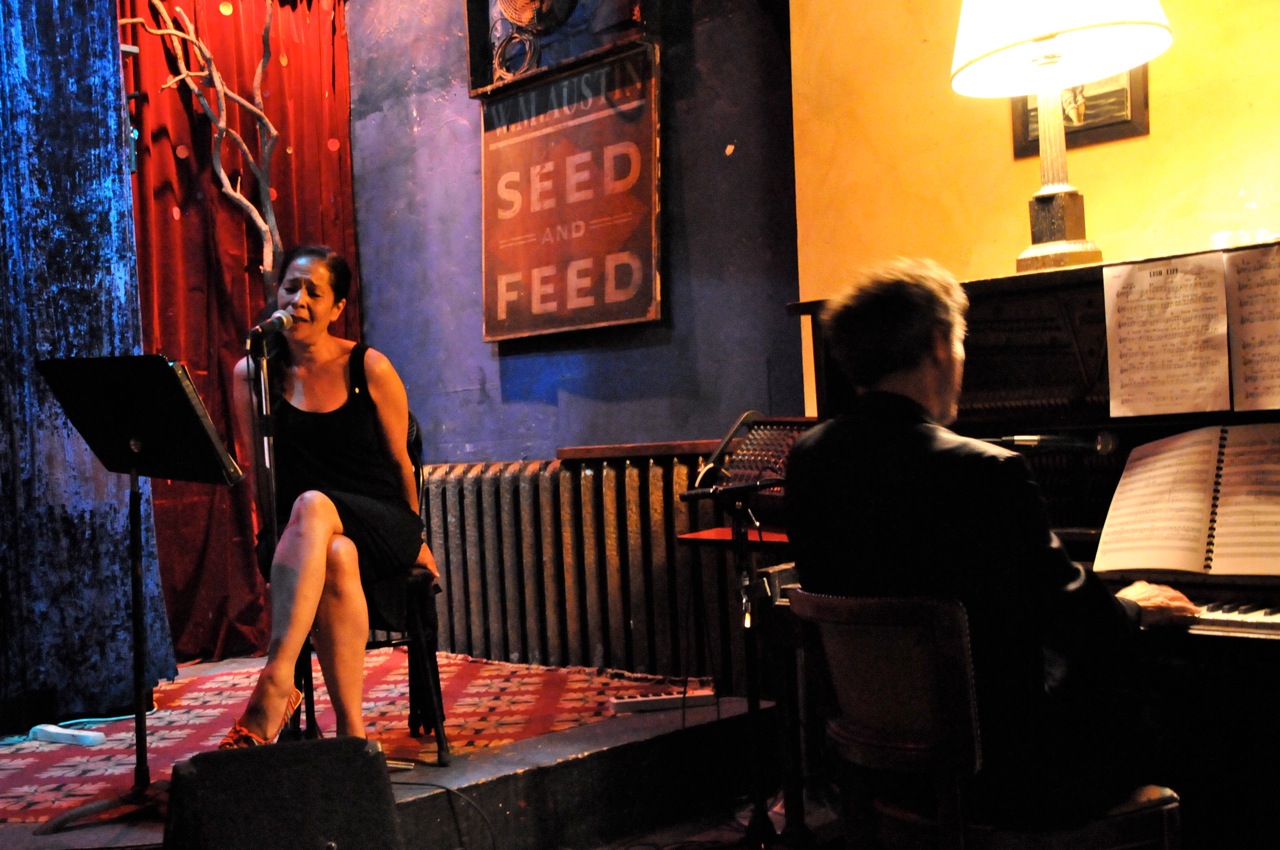
    Molly Johnson and Aaron Davis did a Blue Monday set at the Cameron as part of the celebrations of the show on June27, 2011 Photo: Biserka Livaja

    A typical Scenario at the Cameron would have looked something like this: Molly Johnson singing her first Billie Holiday tunes on “Blue Monday”; Molly Johnson as chambermaid and resident: Handsome Ned singing “Put the Blame on Me” spine chilling; the Parachute Club raising the roof; Mohjah who brought Reggae directly from the Islands; loud ‘art’ bands; and ART.

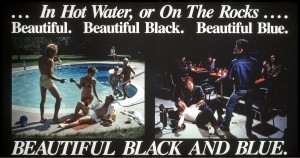
    David Buchan, On the Rocks, 1984 Cibachrome transparency in fluorescent light box NGC Collection. © David Buchan

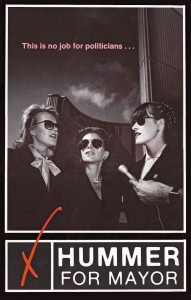
    Jenny Holzer’s lists upstairs as décor; I Brain Eater’s painted piano; Napoleon Brousseau ants on the sides of the building; the exterior murals; Sybil Goldstein’s baroque punk ceiling; constantly changing art on the walls; poetry readings; Video Cabaret’s Hummer Sisters running for mayor with their campaign slogan Art vs Art, (coming in second to Mayor Art Eggelton). Actors, writers and directors from Theatre Passe Muraille down the street, meeting and drinking; artists drinking after openings at the new galleries  – YYZ, Chromazone, Mercer Union, A.C.T., A Space, ARC. The hot and famous – Billy Idol and his entourage dropping in after hours to hang out.


    Hummer For Mayor (The Hummer Sisters left to right — Jenny Dean, Deanne Taylor, Janet Burke) Photo by David Hlynsky, Poster by David Hylnsky, John Ormsby, Coach House Press

    The old guys from the Second World War who still came to drink draft every afternoon. Rosedale art connoisseurs looking for art with their newspaper reviews tucked under their arms.

    The first visual art commissioned by the Cameron received good reviews and brought it to the attention of  the press and the arts community. In the back room were my paintings, commissioned by Herb for the Cameron. In the front room Eldon Garnet’s Privacy Show.  On opening night Carmen Lamanna sat with Joseph Kosuth both wearing dark Italian suits, smoking cigars under my Halloween paintings in the back room, bringing the world of high art definitively to the Cameron.

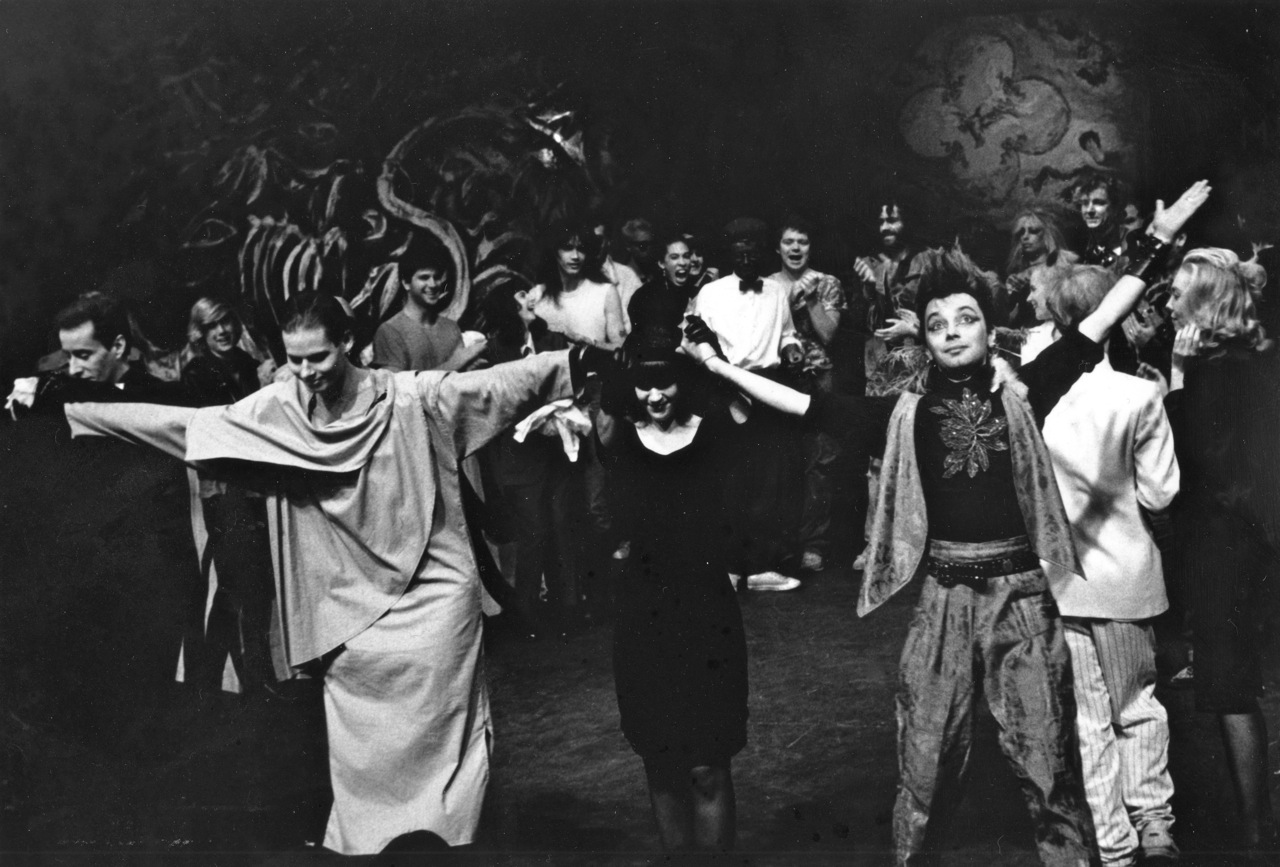
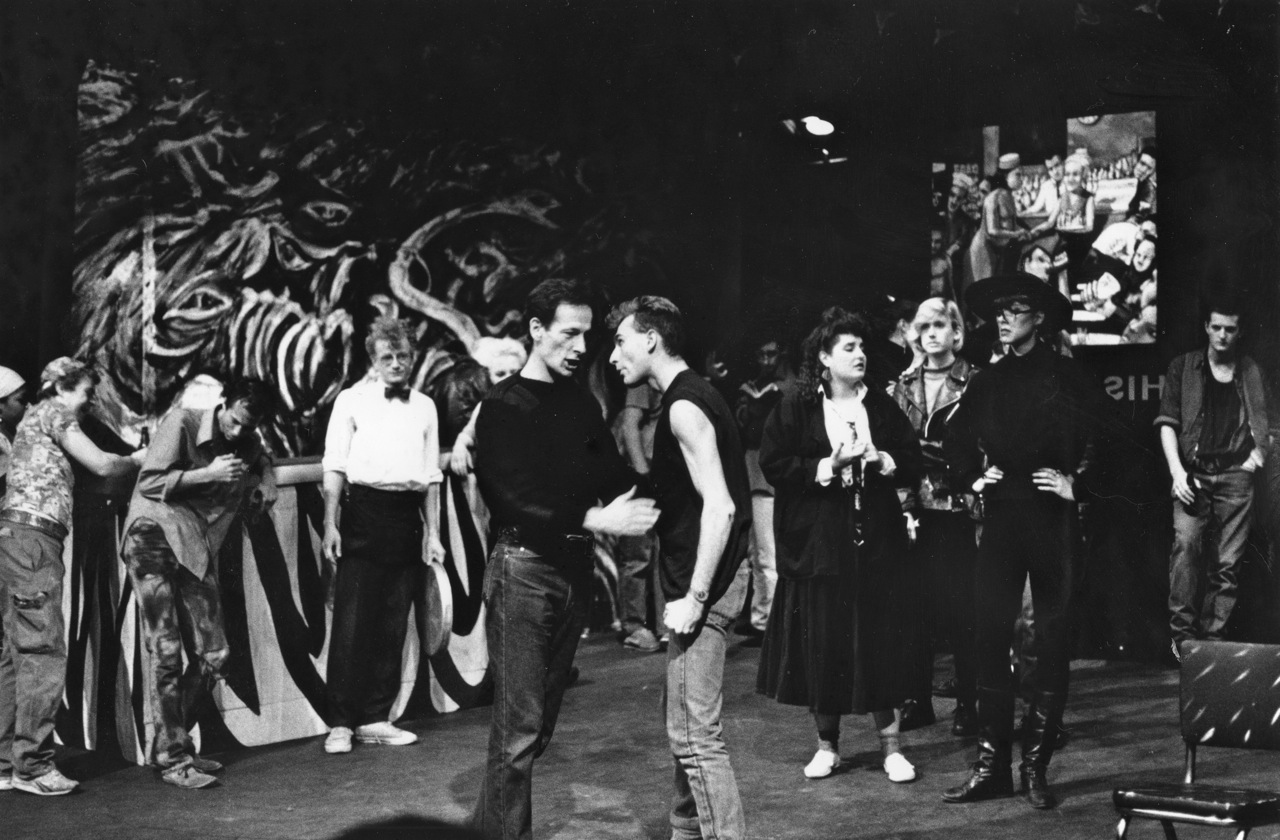
      1987.  The project which probably best underlines the result of this cultural blending was a play titled Tragedy of Manners, commissioned by TPM artistic director, Clarke Rogers. The author was writer and art critic, Donna Lypchuk, best known for her long running column Necrophile in Eye Weekly,  who really rattled the cage when she based characters in her play on actual people in the art scene including herself. The setting: Halloween night at the Paradise Hotel (the Cameron Public House). The cast: 42 characters, played by mostly non- actors who were known personalities in their own right, piled on even more irony.

    Tragedy of Manners.L to R: Mark Harman, Meryn Cadell, Petra, Donnie Cartwright, Keven Stables, Sharmaine Beddoes, Mindy Heflin, The Bitch Diva, Sahara Spracklin, Billy Bob.Photo: Biserka Livaja

     Tragedy of Manners was a Queen West family affair. As Sheila Gostick famously proclaimed “Where there’s culture there’s bacteria.” The cast, designers and crew were actually the “people in your neighbourhood”, our neighbourhood Queen Street West. Actor Graham Greene built the set with Stephan Droege, and on stage Richard Minichiello, Runt, Maryn Cadell, Robert Stewart, Mark Harman, Whitfield Slip, Robert Nasmith, Paul Sannella, Edward Mowbray, and thirty-three more.

     Tragedy of Manners.L to R: Nia Vardalos, Richard Minicello, Adley Gawad, Meryn Cadell, Suzie Sevensma, Duncan Buchanan
      Photo: Biserka Livaja

    Looking back now there was a prescience about this play.  Amid its grandiosity and ambition real tragedy was lurking. The characters personified death and decay and the corruption of body and spirit.


     L to R Clarke Rogers, Rae Johnson and Donna Lypchuk, Billy Bob(?). Photo: Biserka Livaja

    Love is unrequited, and gossip and pettiness rule.  There is no redemption, only purgatory waiting for Hell. In the space of a year, Ned died accidently of an overdose, and many were becoming addicted to heroin. AIDS cruelly took the gracious and remarkable Tim Jocelyn from us. And many of our friends were becoming ill.  As the mythology of Queen West grew, so did the rents. Artists began migrating farther West, some even left town or just disappeared.


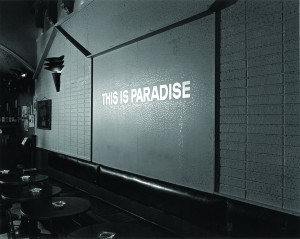
    Tom Dean, THIS IS PARADISE, inside the Cameron House. Image Credit: Peter McCallum, 1983. © Tom Dean

    Clarke Rogers hired me to design the set. True to the script, I created a surreal version of the actual Cameron including within it Tom Dean’s hand painted THIS IS PARADISE on the walls of the bar, but in reverse because the audience was in fact looking into a mirror at themselves. Art imitating Art imitating Life imitating Art. Donna Lypchuk’s ironic and scathing dissection of the Queen Street West art scene could not have been possible unless the halcyon days of Queen West and the Cameron were suddenly, over.

    Rae Johnson Toronto, June 2011
    Courtesy of Rae Johnson and Mocca


  • ISTVAN KANTOR and the DENTAL TROPE

    By: Gary Michael Dault

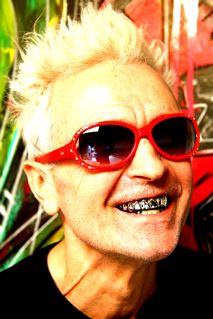
    I came into the Drake Hotel coffee shop a couple of weeks ago and there was anarchist-wildman-artist Istvan Kantor at a window table in the sunlight and when he smiled a greeting—for we hadn’t seen one another for a couple of years—there was suddenly a visionary gleam in the coffee shop, an effluence of light that made looking at him feel like looking directly at the grille of a 1948 Buick.

    The light came from his teeth, from the radiance generated by his teeth (the way the moon glows brightly from cold, reflected light) which, when he smiled, knocked you off your feet.

    Bridgework. Bulwarks. Choppers. A fortified garrison. That tall murderous dude with the killer teeth (what was his name? Jaws?) in the old James Bond film, From Russia with Love.

    For someone like me whose teeth are always in open revolt, for someone like me with anarchic teeth, it’s not hard to identify with Istvan who, when he came to the great dental fulcrum, where Healthy Teeth Past meet Fugitive Teeth Future, took a third route—always the artist’s prerogative—and headed out into the territory of prosthetic teeth (O brave new world, that hath such dentures in it!!), acquiring, not just like anyone (Istvan is never just like anyone), a whole new tenancy, a whole fiefdom, a reinvented and expanded cavity (the mystic cave of the mouth, each man us own Venusburg) containing an array of space-age teeth, of inter-galactic choppers.

    His teeth are made of cobalt-chrome, a metal he assures me, in a subsequent chat on the phone, is “the metal most used in high technology.” We get down to the dental nitty-gritty: when did the implanting start? A year ago. How long was the procedure, from start to finish (teeth extracted, no teeth left, an oral cavity)? A year. Healing? “Implants—one by one—take up to four months to heal.” Maintenance? Brushing as usual. And then, in addition, a special sort of cleaning (I didn’t hear the details). Exhaustion. Ah, the burdens and joys of Metallica Exhilaration? Sure. Let a broad, welcoming smile (like the one I got at The Drake’s coffee shop) be the rising curtain on your spotlit drama. Let your mouth be the site of the jeweled self. Open your mouth and let the sun shine out. Be your own bracelet, your own fallen halo.

    And besides, Istvan explains, he uses his mineralized mouth as an adjunct to his work, a built-in tool.
    The day after we last talked, he was flying off to Poland, to set up a series of exhibitions of his work and to conduct an array of performances in major Polish cities (Warsaw, Krakow, Wroclaw, etc.). “I sometimes use a metal detector,” he says, “and when I bring it near my mouth, the agitation, the response caused by my cobalt-chrome teeth, throws patterns on video screens and subsequently contributes to my composing of songs.” He grins his metallurgical smile:

    “It’s very funny!” he says.

    It’s as if Istvan’s video, Monty Cantsin’s Invisible Smile, has come to pass in real life, only in reverse (“Monty Cantsin’s highly Visible Smile”), Monty Cantsin being, as every Istvanovite knows, Kantor’s omnidirectional double, surrogate, doppelganger, tireless, inexhaustible alter-ego, chomping in every direction of performative space (“Monty Cantsin is me, is you, is everyone all at once…”).

    But The Invisible Smile title works as well, because the epic teeth really are, in a sense, invisible since their metallism is so solid (heavy metal!) that they dissolve in their own light. “What big loud teeth you have, Grandma Kantor!” “The better to gnash with, my dear!” says the Dental Wolfman, “the better to lash out and tear out and grab at the neck of the passing (oh so deplorable!) scene! Shadow of The Great Masticator!
    Do we require Istvan Kantor’s pre-dental history here? The early life in Budapest. The convulsive, obscurantist joys of Neoism; the Blood-X rituals, the maniacal singing, the impolite, insistent escortings from museums with which he has (by his mere presence there) grappled, the wild disruptions of cultural complacency, the vast ongoing collage of life itself, endlessly rejigged and thrown back out onto the smooth waters of the status quo, it’s recorded everywhere, and nowhere more fully than on his website, IstvanKantor.com. Go there and keep your dukes up and your powder dry and your teeth brushed and your eyes on the road…because it’s a rough highway of acidic, slambang colour and angular forms, of raw and cooked, tart and sweetened noise, of whitehot anger and benign laughter, born more or less (not to discount Istvan’s inherent, biological anarchism) from the Hungarian Revolution of 1956 and widening out over afterwards like a boulder dropped into a pool—to embrace Istvan’s entire existence, and scream it throughout all of the world he touches (gleaming teeth gnashing—as Jack Kerouac once wrote—“everywhere in consciousness”).

    You have teeth like these and, well, you don’t even needs arms, you just bite into everything you want, like a giant revolutionary piranha fish.

    But all this is merely a note on Istvan’s brilliant teeth, nothing more. It is the prose sediment, dental ecriture, the writerly fallout, from that certain mineralogical grin the boy flashed (like a flashlight in a dark basement, during a power failure) upon me in the Drake Hotel Coffee shop a few weeks ago…and I’m saying to myself, right then and there, well, I want to write something about those prodigious teeth. And now Istvan is biting off great chunks of an expectant Poland and I’m just finishing this. Not every chopper, I’m thinking, is a motorcycle.

    Gary Michael Dault,
    Napanee, Ontario,
    Friday May 13, 2011

  • Staged Photography

    By : Emese Krunak-Hajagos

    Looking at the exhibitions of Contact always remind me of my childhood. My relationship with photography started at a very early age since my mother was a professional photographer. She had a portrait studio from the 1950th for 40 years in Budapest. Through her work staged photography filled my life and as a passionate reader I always connected stories to the photographs.

    I always appreciated photographs that have been created through a long, meditated staging procedure and also have a strong narrative. There is of course a hard decision to make since every photograph is staged – even documentary – and all has a story to tell. In this article I will narrow my topic to analyzing two iconic contemporary artists Jeff Wall and Gregory Crewdson.


    1/ Jeff Wall
    The storyteller, 1986
    Transparency in lightbox
    229 x 437 cm
    Courtesy of the artist

    Looking at Wall’s and Crewdson’s life sized images we recognize immediately that these are not snapshots from the real world. By using the imagery and effects of paintings, movies and literature they create an invented world of make-believe. The two artists have many similarities in the procedure of creating their photographs, such as a long planning period, a complicated staging procedure and a very careful execution of the final image. Jeff Wall described this procedure in his interview Pictures like novels (db-artmag, 2007 May): “…when I work for a week on something, or a month, I do it because things change as I work. I discover things that I wouldn’t have known about the subject, about the place, about the time of day. Things I wouldn’t have known if I’d worked more quickly.” He rebuilds the original scene in his studio and recreates the significant moment that captured his attention, so it almost seems real. Crewdson’s pictures are much more complicated in their imagery and always have a dreamlike, almost supernatural present.


    2/ Jeff Wall
    Passerby, 1996
    Silver gelatin print
    250 x 339.5 cm
    Courtesy of the artist

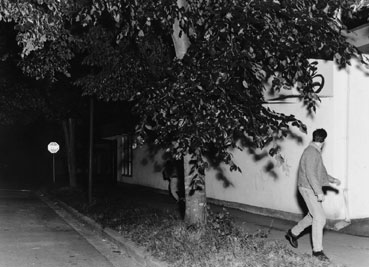
    Both Wall and Crewdson are compared to the movies in the special way in which the photographs are made. They do not hide their staging and just like in the movies they are expensive and require a lot of planning, a big crew and special equipments. Wall’s stages are always realistic, regardless if they were built in his studio (Searching the premises, 2009) or he uses the outsides (Milk 1982, Passerby, 1996). Crewdson’s stages are closer to movie frames in their ambitions of picturing stills of strange stories or dreams. The perfection is so important for both artists that strong control must be applied. The images are planned in every detail and deliberately executed, so the camera only records what the artists want us to see and nothing more.
    Wall hires amateur actors to represent his characters or people on the street (Waiting, War games) to play themselves. Crewdson went as far as engaging famous actors such us William H. Macy, Gwyneth Paltrow, Julianne Moore and Philip Seymour Hoffman to embody his protagonist (Dream House series, 2002) so their images from films blend with the scenes of domestic loneliness deepening the meaning of images.


    3/ Gregory Crewdson
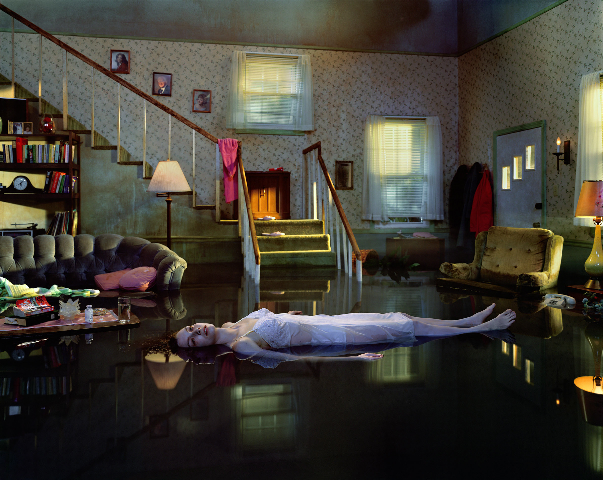
    Untitled (Ophelia) 2001; From Twilight series
    Digital C-print, 127 x 152.4 cm
    © Gregory Crewdson. Courtesy Gagosian Gallery

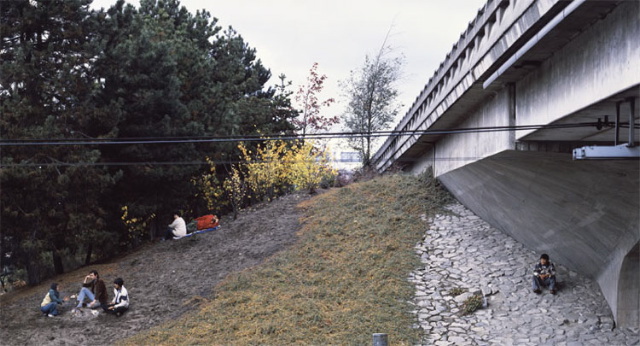
    Besides their similarities the two artists are very different in their narratives. Wall’s images are still closely related to the original moment he has witnessed. “I didn’t want to miss out on life”, he said in the same interview,” and so I involve this notion like a cinematographer, and I reconstruct. And the reconstruction is both; it’s as faithful to the event as I can make it. I feel I should be free to do things such as change the place, the season, the time of day.” He rebuilds the original scene in order to recreate the significant moment that captured his attention. He doesn’t add so much to the original scene but makes it really focused around the issue he wants to emphasize. For example in Mimic (1982), a street scene where a white man makes a racist gesture toward an oriental person by slanting his eyes might skip our attention but in Wall’s composition it is becoming a gigantic, painful episode impossible to overlook. He depicts the native people in Story telling (1986) in their effort of saving their heritage (a young woman wearing traditional clothes) and the danger of loosing it (the lonely rootless man under the bridge). He shows great sympathy towards the unemployed in Waiting. Wall’s picture radiates hope, he finds poor people interesting because their struggle deepens their expressions. Wall’s cinematographic photographs come into life only when the light switched on and the dark boxes start to radiate his images. At that magic moment they have a very strong present, representing the electric lights of cities and reminding us for our obsession with the always running television set.


    4/ Gregory Crewdson
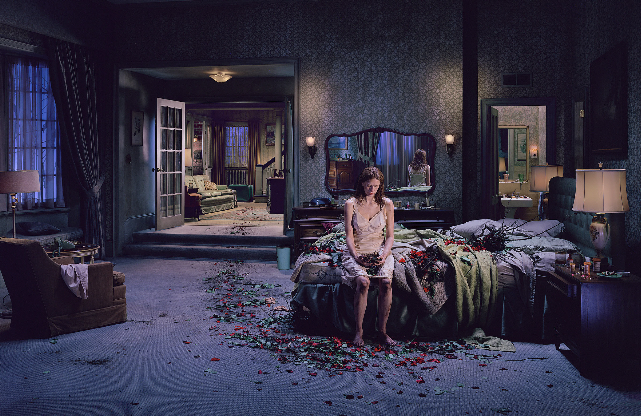
    Untitled (Bed of Roses), Winter 2005; from Beneath the Roses series
    Digital C-print, 163.2 x 239.4 cm
    © Gregory Crewdson. Courtesy Gagosian Gallery

    Crewdson has always been appreciated as one of the greatest artist of our time in depicting the modern American landscape, state of mind and psyche. Russell Banks writes is his forwarding words to Beneath the Roses series (2003-2005): “He is more a cartographer of the quotidian than a mere photographer, a cartographer of the specifically American quotidian, I should say, which is violent, melancholy, and corrosively lonely.” Crewdson’s scenes are typical American small towns, nicely maintained with well-lit streets, manicured gardens and all the houses filled with shining appliances. But in the backyard, under a bridge or in the quietness of a bedroom strange things are happening. Someone is digging out a number of suitcases without opening any, a woman turns a living room into a ruined garden and Ophelia quietly floats in front of a coach (Twilight series, 2001-2002). What has happened to the idyllic American dream? On these pictures it seems they turned into a nightmare. Is it a dream we see on the picture or is it real? Very hard to say since reality looks like a dream and dreams seem so real. Besides the strange staging and unnatural looking, frozen characters the use of light plays a key role in these photographs. Crewdson’s favorite time is twilight, the witching hour when everything stops for a moment and a strange metamorphosis takes place creating a very mystical image, making all vulnerable.

    I clearly remember when critics were arguing if photography is an art form or mere technicality. Now critics think that it is not a good enough terminology for artist like Wall or Crewdson since as Martin Hochleitner wrote they “don’t take pictures, they make pictures.”

  • Illuminated Manuscript

    By: Matt Macintosh

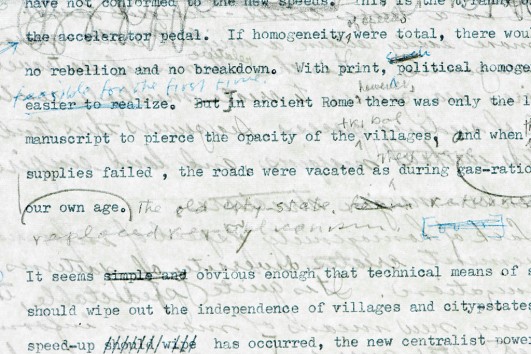
    Illuminated Manuscript“, a site-specific installation curated by Bonnie Rubenstein at The Coach House as part of this years CONTACT festival themed, “Figure + Ground” is part of Robert Bean’s ongoing research project on Marshall McLuhan, technology and obsolescence. With access to the back-rooms of the Canadian Science and Technology Museum in Ottawa, Bean has presented 2 videos and 18 mid-scale photographs in the house where McLuhan famously conducted his research and Monday evening seminars.

    McLuhan’s typed and handwritten manuscripts are illuminated as moving montages in a single monitor and in two flat-panel screens arranged as book pages using choppy geocities-era animation and all the fade-in techniques of professional amateurism. A network of still images puts photoshoppy catalogue shots of standalone machine-objects beside all-over compositions of wires and keyboards. Cold-War era visual and computing technologies are shown in institutionalized storage spaces beside scaled-up partial scans of McLuhan’s writings. This commentary on the signs symbols and practices of archival documentation is given life in large part by Bean’s heavy use of modernist compositional devices in images of wiring and writing put into relation with isolated machine-objects that seem to predict—as McLuhan did—their own portability as commodities.

    The human scale in the largest works invigorate engagement with decommissioned machinery and ab-ex writing, but the smaller works seem non-deliberate in the way they undermine the functionality of their own formal devices without inviting either genuine interest or an encounter with obsolescence. Bean’s choice to use dated animation techniques and to photoshop his still images also provided an extremely fertile territory for comment, but similarly came off as under-acknowledged within a project that addresses relations among communication, documentation and obsolescence.

    More successful was Bean’s choice to use photography and video as figures to this specific ground. With a respectful nod to both medium’s association with the disintegration of ‘aura’ in artworks, the relations among designated products and processes of communication are exposed and widened in materially neutral conditions. Text becomes object, object machine, machine as text under new scrutiny enlivened by McLuhan’s ghost. While beautifully drawing out the material and artefactual nature of archived objects and data, Bean has activated a reflexive space that animates and loosens communication ties between devices and spectators as well as figure and ground.

  • BEST BEFORE

    By: Von Bark

    Wednesday April 27, 2011 to Saturday May 7, 2011

    OCAD Graduate Gallery, 205 Richmond Street West

    KC Adams, Keesic Douglas, Peter Morin, Cheryl L’Hirondelle and Suzanne Morrissette
    Curated by Lisa Myers

    The art of eating is the very substance which gives us life. The art of preparing food for consumption is an alchemical/transformative process which simmers our cultural influences in complex ways.

    Best Before‘ is a group show of Aboriginal artists that bites into this feast. There is a light-handed but sharp sense of teasing our dominant culture. The artists all contributed recipes related to their conceptual pieces.

    With “4 Reservation Food Groups“, Keesic Douglas mocks wonderbread and cheez whiz as the new alternate-world substinence-fodder.

    Peter Morin portrays fish, and prepares bannock the old-fashioned way, in a fun party (and tries to set a record for the world’s largest bannock).

    Suzanne Morrissette infuses a nice remedial tea if you have any problems with this.

    Cheryl L’Hirondelle serves up fresh internet Spam in a new and delightfully plugged-in media-savvy way.

    KC Adams’ “The Gift that Keeps on Giving” is the floor centerpiece of the show, various mute white raw materials in raw clay pots, arrayed waiting to be transformed into something to eat… flour, sugar, salt, lard, etc…

    Note: The curator for this show, Lisa Myers cooks it all up for us. The opening party for this show had the most amazing snacks of any show I had ever attended in my life; Blueberry bannocks, Bufallo sausages, and some Elk, which made it a transformative experience.

  • Sound Before Sight

    By: Amanda Pignotti

    As visitors walk toward the blackened room of the E-Gallery located on the UTM (University of Toronto at Mississauga) campus, sound before sight entices the crowd. One by one, visitors unconsciously emerge as “listeners” of a work of art, prior to becoming the “viewer”. Intimidating and boisterous tones stampede out from the E-Gallery, drawing in curious yet skeptical listeners before the piece is even seen!

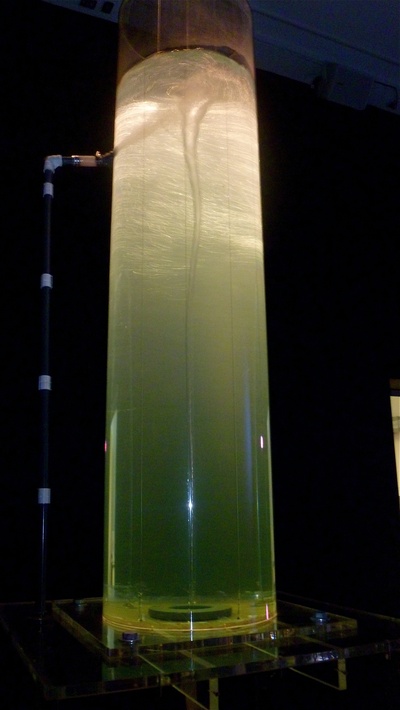
    The almighty creator and intelligence behind Aquaeolian Whirlpool (1990), a sound installation piece, is Gordon Monahan. Monahan is a contemporary and internationally renowned sound and multimedia artist who began his career as a pianist. The exhibition, Seeing Sound: Sound Art, Performance & Music displays Aquaeolian Whirlpool at UTM. This audacious piece of artwork investigates the musical potential of water.


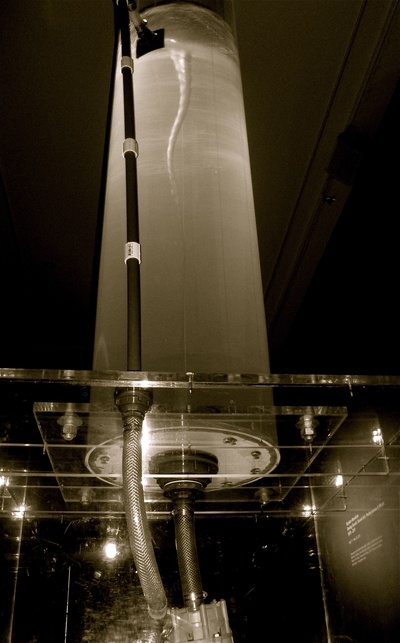
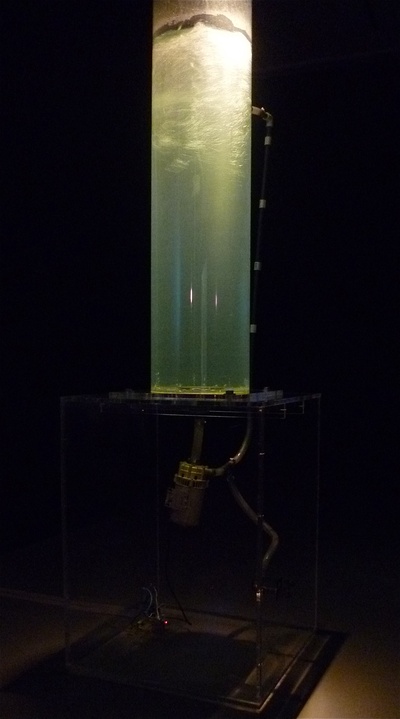
    Gordon Monahan, ‘Aquaeolian Whirlpool’ (1990)

    Visitors stride closer to the work of art, and within seconds they become intoxicated by the roaring and rhythmic sounds emanating from the four black walls of the E-Gallery. Visitors finally step into the dimly lit gallery, soaking in its mystical aura. Naturally inquisitive eyes dash to the right of the room. Standing brightly in a dark room is Monahan’s Aquaeolian Whirlpool; at 10 feet tall this work of art encompasses a whirlpool of bright blue water in a plexiglas container. A tornado-like whirlpool is achieved by sucking water out from the bottom and back into the plexiglas container through a side tube. As this process occurs rapidly, the sea-colored water forms a vortex-like body flowing across an array of 35-meter long piano wires. Monahan himself declares, “as water rushes across the piano wires anchored in the Plexiglas container, ‘aquaeolian tones’ become activated.” Booming tones escort the flow of the whirlpool, constituting a mini tornado look-alike. Piano wires continue to rise vertically to a soundboard allowing ‘aquaeolian tones’ to amplify. Men, women and children seem equally fascinated by both the sound and sight of this enormous installation.


    Gordon Monahan, ‘Aquaeolian Whirlpool’ (1990)

    I sit at the gallery as an avid volunteer, and spend many hours with this particular piece. Each visitor’s reaction including my own, seems to form an analogous pattern consisting of sound enticement and intoxication, followed by a mystical visionary experience. Despite this, there are those who question this piece in a somewhat negative manner. Some visitors allege, “I could have done this” and “that is not really art, look at the great painters of the past, now that was art!” Although each visitor is entitled to his or her own personal assumption, wouldn’t paintings of antiquity bore us contemporary folks? Haven’t we studied and seen enough landscape and portrait paintings? Art, and what constitutes a “work of art” is constantly being re-invented and revolutionized. It is precisely this that makes Aquaeolian Whirlpool amusing and appealing to the eye as well as the senses.


    Gordon Monahan, ‘Aquaeolian Whirlpool’ (1990)

    When meeting with Monahan prior to the opening of his exhibition, he mentioned he had not once thought to produce this work in the form of a square. Instead he chose a cylindrical shape to house his vortex, an example of thinking outside of the box, literally!